
What's Happening?
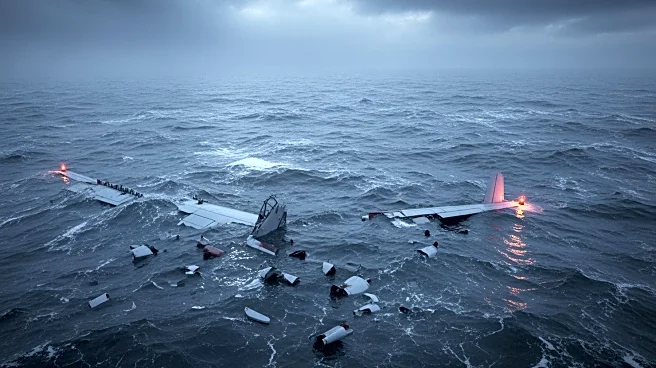
A small Mexican Navy plane crashed near Galveston, Texas, resulting in the deaths of at least five individuals. The aircraft was on a medical mission, transporting a young patient and seven others, including
four Navy officers and two members of a nonprofit organization. The crash occurred near a causeway along the Texas coast, and the U.S. Coast Guard confirmed the fatalities. The cause of the crash is currently under investigation, with teams from the Federal Aviation Administration and National Transportation Safety Board on site. The incident has prompted a search and rescue operation in the surrounding waters.
Why It's Important?
This tragic event highlights the risks associated with medical transport missions, especially those involving international cooperation. The crash underscores the importance of stringent safety protocols and thorough investigations to prevent future incidents. The involvement of both military and civilian personnel in the crash may lead to increased scrutiny of cross-border medical missions and the safety standards of aircraft used in such operations. Additionally, the incident could impact diplomatic relations between the U.S. and Mexico, as both countries work together to determine the cause and prevent similar occurrences.
What's Next?
As investigations continue, authorities will focus on identifying the cause of the crash, whether it be mechanical failure, human error, or environmental factors. The findings could lead to changes in aviation safety regulations and protocols for medical transport missions. The Mexican Navy and U.S. agencies will likely collaborate closely to ensure a comprehensive investigation. The outcome may also influence future policies regarding international medical missions and the use of military resources in humanitarian efforts.