







What's Happening?
Researchers at the University of Pennsylvania's Perelman School of Medicine and Center for Neuroengineering and Therapeutics have developed a new AI-driven platform that allows patients to communicate in real-time with their medical devices via a smartphone
application. This platform represents a significant shift from traditional medical devices that passively collect data to systems that actively collaborate with patients in managing their health. In a proof-of-concept study, 13 adults undergoing continuous brain monitoring for seizures were able to ask questions about their brain activity, receive personalized alerts, report symptoms, and help train the system to better recognize seizure patterns. The system uses software to capture EEG data, a secure cloud environment for real-time analysis, and an AI-powered conversational agent on a smartphone app, similar to ChatGPT technology.
Why It's Important?
This AI platform fundamentally transforms the patient-device relationship, moving towards a more interactive and personalized healthcare model. Instead of waiting for clinicians to review data, devices can now detect changes and alert patients immediately, fostering a collaborative learning process where both the patient and device adapt over time. This could lead to more proactive health management, potentially reducing seizure frequency and severity, improving quality of life, and decreasing emergency department visits and overall healthcare utilization. The ability for patients to teach the system about their condition, noting correct identifications and false alarms, enhances the device's accuracy and personalization. This innovation has broad implications beyond epilepsy, potentially revolutionizing the management of conditions requiring cardiac devices, insulin pumps, and treatments for neuropsychiatric disorders like Parkinson's disease and depression.
What's Next?
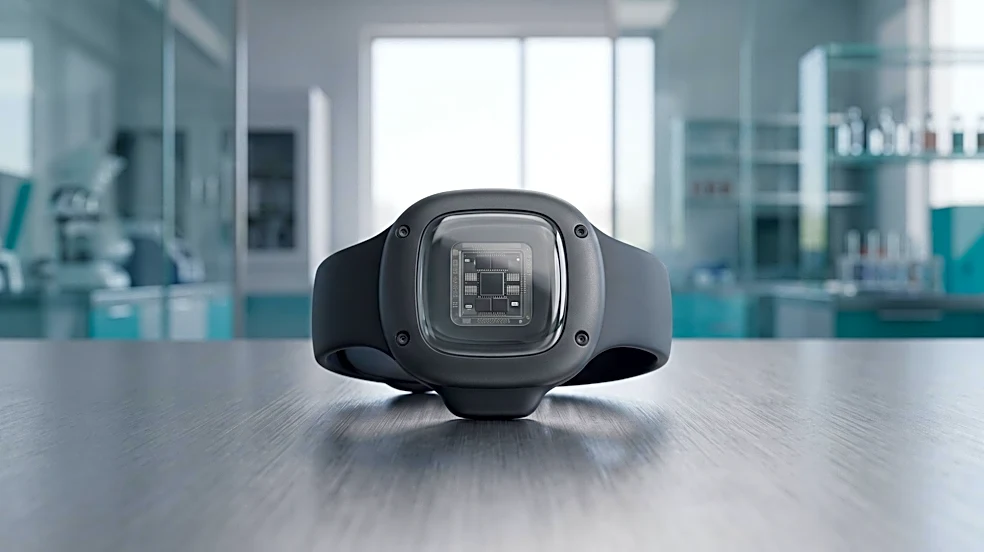
Researchers are preparing further studies to apply this platform to automatically tune deep brain stimulation devices for Parkinson's disease. Future work will also integrate wearables into applications for insomnia, epilepsy, and general brain and vital signs monitoring. The goal is to develop systems that can automatically adjust treatment while communicating directly with patients about symptoms and treatment goals. The team envisions medical devices becoming active partners in care, learning alongside patients and assisting them in making daily health decisions. Ongoing research will evaluate the platform's effectiveness in outpatient settings using minimally invasive EEG and wearable technologies for continuous monitoring during daily life, aiming for systems that require minimal clinical supervision for long-term use.
Beyond the Headlines
This development signifies a profound shift in how individuals interact with their own health data and medical interventions, moving towards a model of empowered patient engagement. Beyond the immediate clinical benefits, this technology could foster greater health literacy and self-efficacy among patients, as they gain real-time insights into their physiological states and the impact of their behaviors. Ethically, it raises questions about the balance of autonomy between patient and AI, and the responsibility of developers to ensure the AI's advice is always aligned with patient well-being and medical best practices. Culturally, it could normalize a more continuous, data-driven approach to personal health, potentially influencing how individuals perceive and manage chronic conditions, transforming medical devices from passive tools into active, intelligent companions in the healthcare journey.