






What's Happening?
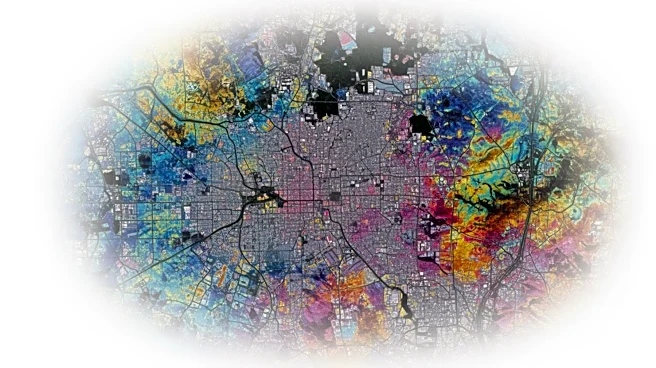
The US-Indian NISAR satellite mission has mapped significant subsidence in Mexico City, revealing areas sinking by over 2 centimeters per month. The subsidence is primarily due to extensive groundwater extraction and urban load, affecting infrastructure
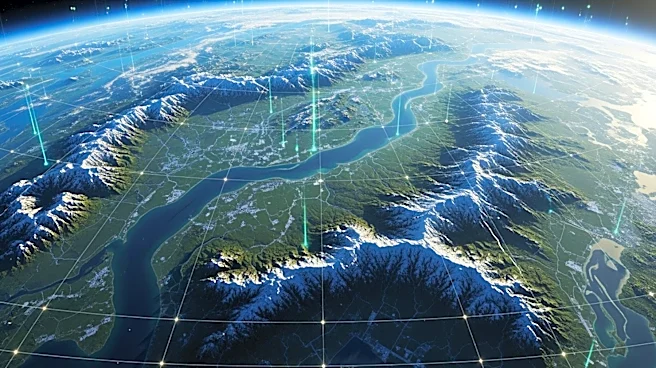
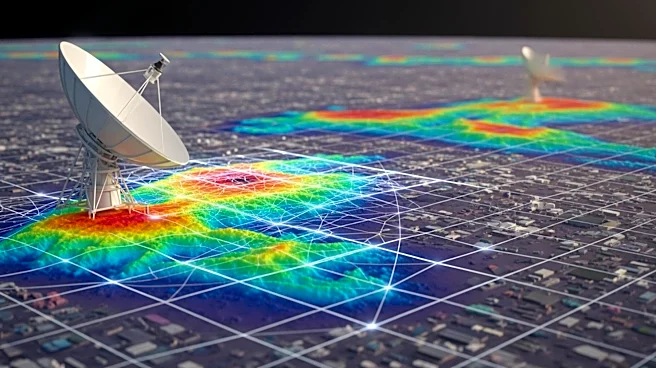
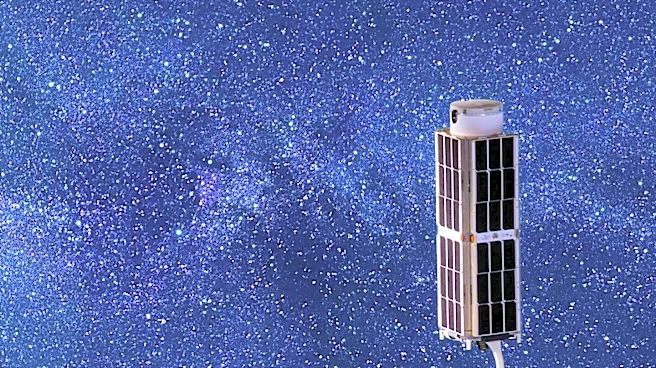
such as roads and water lines. The satellite's radar system provides real-time data on land movement, offering insights into the challenges faced by one of the fastest subsiding cities globally. The mission aims to track changes across Earth's surface, including land subsidence, glacier movements, and crop growth.
Why It's Important?
The findings from the NISAR mission are crucial for urban planning and infrastructure management in Mexico City. The rapid subsidence poses risks to buildings, transportation systems, and water supply networks, necessitating proactive measures to mitigate damage. The data provided by NISAR can inform policy decisions and help prioritize areas for intervention. Additionally, the mission's ability to monitor land changes globally can aid in addressing similar challenges in other regions, contributing to sustainable development and disaster preparedness.