

What's Happening?
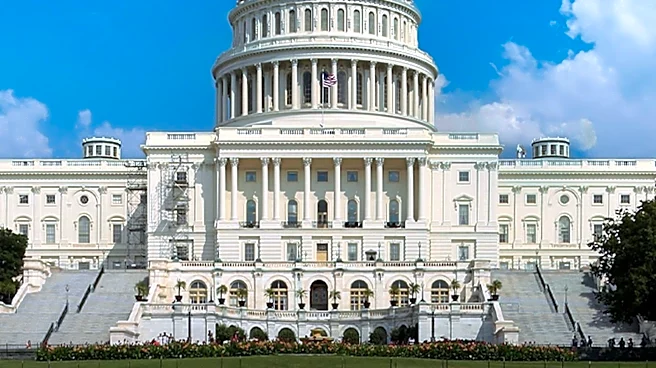
The U.S. Senate has voted to invoke cloture on the Bipartisan American Affordability and Jobs Act (BAAJA), a comprehensive bill aimed at accelerating the construction of energy projects. This 400-page legislation seeks to streamline the permitting process
for grid modernization and new transmission lines, a long-standing goal for lawmakers. Environmental attorney Chris Winter notes that while the bill has positive aspects for grid modernization, it significantly alters the National Environmental Policy Act (NEPA), narrowing environmental review considerations and exempting certain projects. It also limits judicial review, potentially preventing injunctions against projects even if environmental reviews are deemed inadequate. Furthermore, BAAJA attempts to provide certainty for energy developers by restricting changes to permits once issued, even if environmental regulations evolve. This provision, according to Winter, could allow President Trump to lock in extractive activities with minimal public involvement.
Why It's Important?
The BAAJA bill carries significant implications for environmental protection, tribal sovereignty, and the future of energy development in the U.S. Its proposed changes to NEPA and other environmental laws could weaken safeguards, potentially leading to increased environmental degradation. For Native American tribes, the bill's alterations to the National Historic Preservation Act, particularly Section 106, are seen as a major blow to tribal sovereignty. Wesley Furlong, staff attorney at the Native American Rights Fund (NARF), states that BAAJA would effectively dismantle the robust tribal consultation process, replacing it with a limited notice-and-comment period. This could allow federal agencies to prioritize energy projects over the protection of cultural resources and legally protected tribal rights concerning water, species, and land. While some renewable energy trade groups and fossil fuel industry representatives support the bill for its potential to expedite energy infrastructure, environmental advocates and tribal organizations warn of its far-reaching negative consequences for public involvement and environmental justice.
What's Next?
The Senate is expected to attempt to pass the BAAJA bill during its current lame-duck session. However, for it to become law, it must also be approved by the House of Representatives. NARF and other concerned groups are urging Congress to delay the bill's passage until the next Congress is sworn in, allowing for more meaningful discussions with Indian Country regarding permitting reform. The National Association of Tribal Historic Preservation officers and attorneys general from Colorado and New Mexico have also condemned BAAJA. The unusual process of advancing this bill, with no prior committee hearing or legislative history, has raised concerns among legal scholars and environmental advocates, who had limited time to review amendments before the Senate's cloture vote. The outcome of this legislative push will determine the future landscape of energy project development and environmental protection in the U.S.
Beyond the Headlines
The debate surrounding BAAJA highlights a fundamental tension between the desire for expedited infrastructure development and the imperative to protect environmental and cultural resources, particularly those vital to tribal communities. The bill's provisions, which limit public and judicial review, raise questions about democratic accountability and the balance of power between federal agencies, corporations, and affected communities. The potential for President Trump to utilize these provisions to fast-track extractive activities underscores the long-term implications for environmental policy and the role of executive power. This legislative effort could set a precedent for future environmental and infrastructure projects, potentially diminishing the influence of environmental laws and tribal consultation processes. The controversy also reflects broader political dynamics, with some observers suggesting that the bill magnifies corporate interests in politics, a sentiment that voters reportedly pushed back against in recent midterm elections.