







What's Happening?
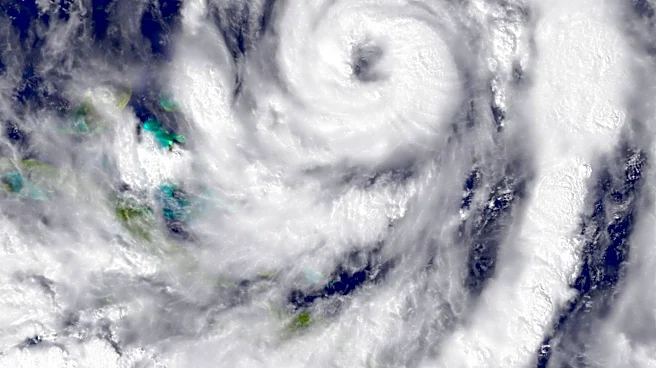
The U.S. Southeast is bracing for several days of continuous rain and storms as tropical moisture from the Gulf of Mexico moves into the region. This weather pattern is expected to affect Florida, Georgia, Alabama, and Mississippi, bringing locally heavy
rainfall. The persistent precipitation poses a significant threat of flooding throughout the upcoming weekend. The forecast indicates that these storms could also lead to travel delays, particularly impacting major airport hubs such as Atlanta and Orlando, as weather conditions worsen.
Why It's Important?
The impending flood threat in the Southeast carries substantial implications for residents, infrastructure, and the economy. Heavy rainfall and potential flooding can lead to property damage, displacement of communities, and pose risks to public safety. Agricultural sectors in these states could face crop damage, impacting local economies. Transportation networks, including roads and airports, are likely to experience disruptions, causing delays for travelers and affecting supply chains. The need for emergency services will increase, straining local resources. Furthermore, repeated flooding events can have long-term environmental consequences, such as soil erosion and water contamination. Businesses in the affected areas may also suffer losses due to closures and reduced consumer activity.
What's Next?
Residents in the affected states of Florida, Georgia, Alabama, and Mississippi are advised to monitor local weather advisories and prepare for potential flooding. This includes securing property, having emergency kits ready, and planning for possible travel disruptions. Emergency management agencies will likely issue warnings and implement response plans to mitigate the impact of the storms. Travelers with plans to or through major hubs like Atlanta and Orlando should anticipate delays and check with airlines for updated flight information. Local authorities will focus on managing stormwater, clearing drainage systems, and providing assistance to areas most impacted by the heavy rainfall.
Beyond the Headlines
The recurring threat of severe weather, particularly tropical moisture-driven rainfall and flooding in the U.S. Southeast, highlights broader issues related to climate patterns and urban planning. The vulnerability of major transportation hubs like Atlanta and Orlando to weather-related delays underscores the interconnectedness of regional infrastructure and the potential for cascading effects across the country. This situation also brings to light the ongoing challenges of managing stormwater in rapidly developing areas and the need for resilient infrastructure. As climate patterns evolve, communities in the Southeast may face increased frequency and intensity of such events, necessitating long-term strategies for adaptation, including improved early warning systems, enhanced flood defenses, and sustainable land use practices to protect both lives and livelihoods.