



What's Happening?
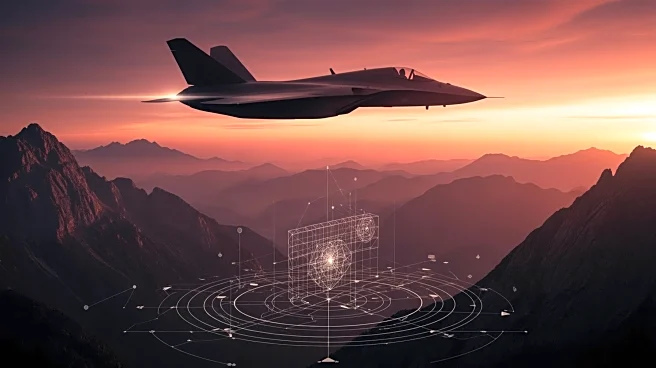
North Korea has showcased new capabilities in its air force, including advanced unmanned aerial vehicles (UAVs) and missile systems, during a ceremony marking the 80th anniversary of the Korean People's Air Force (KPAF). The display included Saetbyol-9
multirole UAVs, which resemble the MQ-9 Reaper, and a new airborne warning and control system (AWACS) platform. These developments are part of North Korea's ongoing efforts to enhance its military capabilities and assert its strategic presence in the region.
Why It's Important?
The enhancement of North Korea's air force capabilities represents a significant development in the country's military strategy, potentially altering the balance of power in the region. The introduction of advanced UAVs and missile systems could enhance North Korea's surveillance and strike capabilities, posing new challenges for regional security. This development may prompt neighboring countries and the international community to reassess their defense strategies and diplomatic approaches to North Korea.
What's Next?
North Korea's military advancements are likely to lead to increased tensions in the region, with potential implications for diplomatic relations and security dynamics. Neighboring countries, particularly South Korea and Japan, may respond by bolstering their own military capabilities and seeking closer cooperation with allies. The international community may also consider additional sanctions or diplomatic measures to address the potential threat posed by North Korea's military expansion.
Beyond the Headlines
The unveiling of new air force capabilities highlights the ongoing challenges of addressing North Korea's military ambitions within the framework of international diplomacy. It raises questions about the effectiveness of existing sanctions and the potential for renewed negotiations aimed at denuclearization. The situation underscores the need for a coordinated international response to ensure regional stability and prevent further escalation.