



What's Happening?
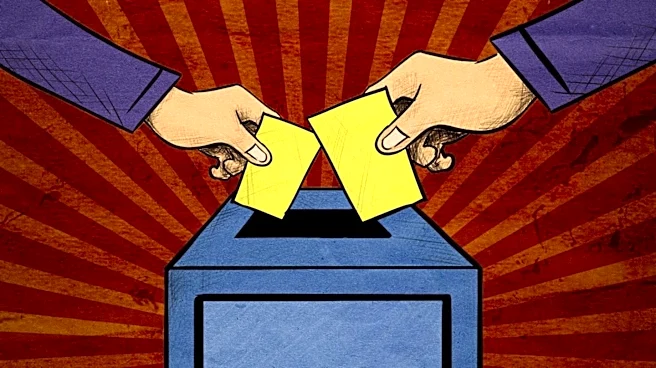
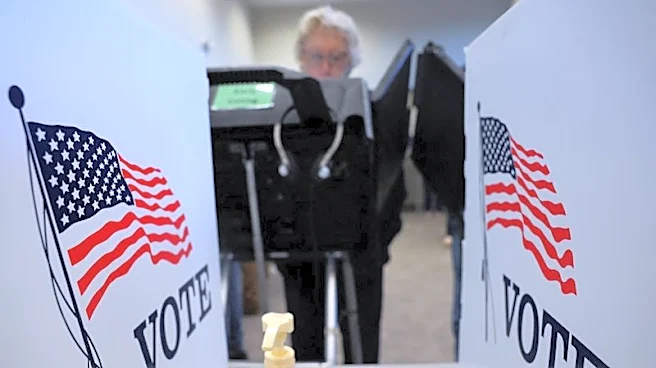
According to Maya Wiley, president and CEO of the Leadership Conference on Civil and Human Rights and its Education Fund, nearly half of organizations engaged in voter protection and engagement work operate with only a quarter or less of their necessary
budgets. In a podcast interview with Phil Buchanan, president of the Center for Effective Philanthropy, Wiley discussed the shortcomings of philanthropic responses to the state of American democracy. She detailed the on-the-ground realities of voter engagement, which include year-round canvassing, voter education, and training faith leaders for de-escalation at polling places. Wiley also highlighted how the current administration has used governmental power to intimidate and defund organizations conducting lawful work. The discussion also touched upon the decision by major donor-advised fund sponsors to block gifts to the Southern Poverty Law Center following its indictment, and the damaging effects of institutional capitulation by various sectors.
Why It's Important?
The underfunding of voter engagement and protection efforts poses a significant threat to the integrity and accessibility of democratic processes in the U.S. When organizations lack adequate resources, their ability to educate voters, ensure fair elections, and protect voting rights is severely hampered. This can lead to decreased voter participation, increased disenfranchisement, and a less representative democracy. The reluctance of some philanthropic entities to fully support these crucial initiatives, coupled with governmental actions that intimidate such groups, creates a challenging environment for civil society organizations working to uphold democratic principles. This situation impacts the fundamental right to vote for many citizens and can erode public trust in electoral outcomes, potentially leading to long-term instability in the political system.
What's Next?
The call from Maya Wiley suggests an urgent need for increased and more strategic philanthropic investment in voter engagement and protection. Donors and foundations concerned about American democracy may be prompted to re-evaluate their funding priorities and mechanisms to better support these under-resourced organizations. This could involve direct grants, multi-year commitments, and a more robust defense against political pressures that seek to undermine such work. Civil society groups will likely continue to advocate for greater financial support and legal protections to ensure their ability to operate effectively. The ongoing dialogue around institutional capitulation may also lead to increased scrutiny of how financial institutions and corporations respond to political pressures, potentially influencing their future philanthropic and operational decisions.
Beyond the Headlines
The issue of underfunded voter engagement work extends beyond mere budgetary constraints; it touches upon the very resilience of democratic institutions. The discussion about institutional capitulation highlights a deeper vulnerability within civil society and corporate sectors when faced with political pressure. This can create a chilling effect, discouraging support for organizations that are critical for a healthy democracy. Ethically, philanthropic organizations face a moral imperative to support foundational democratic processes, even when such support might be politically sensitive. Legally, the actions of administrations to intimidate or defund lawful organizations raise questions about the balance of power and the protection of civil liberties. Culturally, a decline in robust voter engagement can lead to a less informed and less participatory citizenry, weakening the civic fabric of the nation.