






What's Happening?
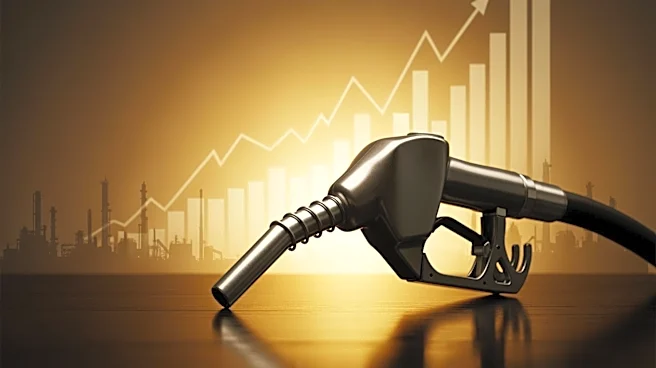
President Donald Trump is scheduled to address the U.S. economy in Las Vegas as Americans face increasing fuel prices, a consequence of the ongoing conflict involving Iran. The surge in fuel costs is attributed to the geopolitical tensions that have disrupted
oil supplies, impacting the global market. The White House has indicated the possibility of another round of peace talks, aiming to alleviate the situation. This development comes as millions of Americans are feeling the economic strain of higher fuel prices, which affect transportation costs and, consequently, the prices of goods and services across the country.
Why It's Important?
The rise in fuel prices has significant implications for the U.S. economy, affecting both consumers and businesses. Higher transportation costs can lead to increased prices for goods, contributing to inflationary pressures. This situation poses a challenge for economic stability and growth, as consumer spending may decrease due to higher living costs. Additionally, the geopolitical tensions with Iran highlight the vulnerability of global oil markets to political conflicts, underscoring the need for energy diversification and stability. The potential peace talks could play a crucial role in stabilizing the situation, potentially leading to a decrease in fuel prices and easing economic pressures.
What's Next?
The White House's indication of possible peace talks suggests a diplomatic approach to resolving the conflict, which could stabilize oil markets and reduce fuel prices. Stakeholders, including political leaders and businesses, will likely monitor these developments closely. The outcome of President Trump's address and any subsequent diplomatic efforts could influence market confidence and economic forecasts. Additionally, policymakers may consider measures to mitigate the impact of high fuel prices on consumers and businesses, such as exploring alternative energy sources or providing economic relief.