




What's Happening?
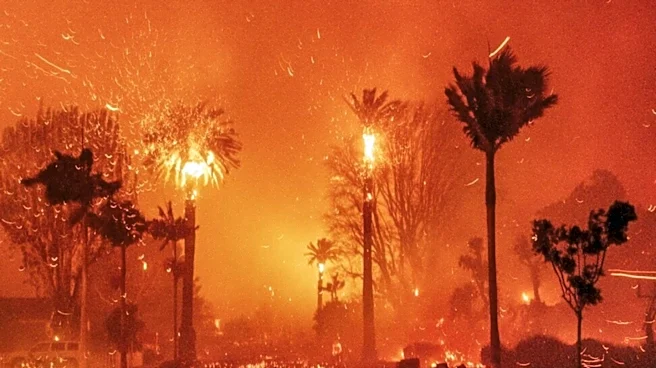
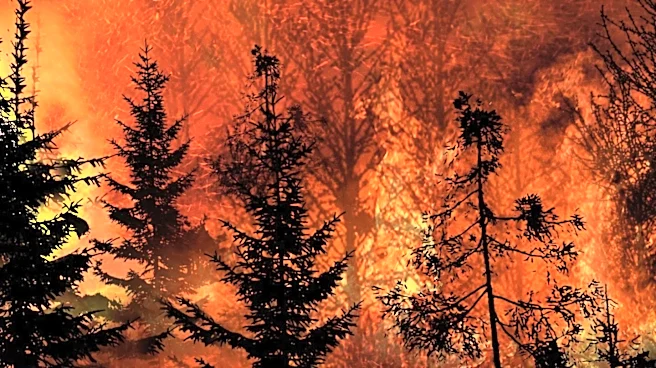
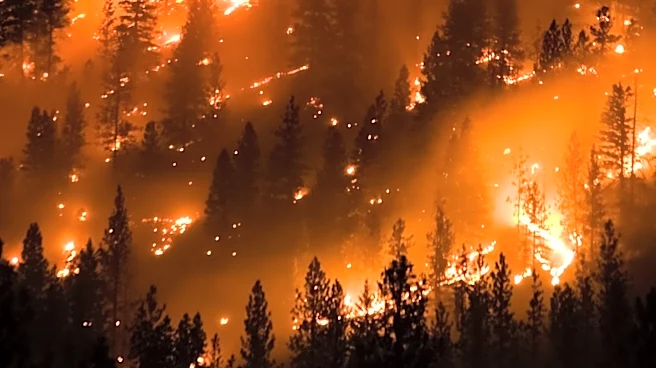
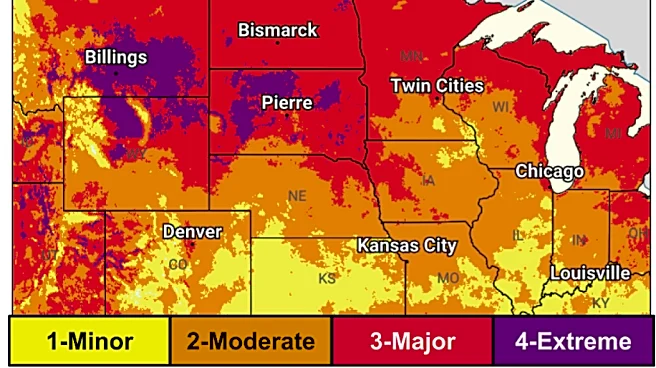
A severe heat dome is currently affecting the Western United States and the Northern Plains, significantly contributing to the outbreak of wildfires in these regions. One of the most notable fires, the Summit Fire, is burning north of Los Angeles. The
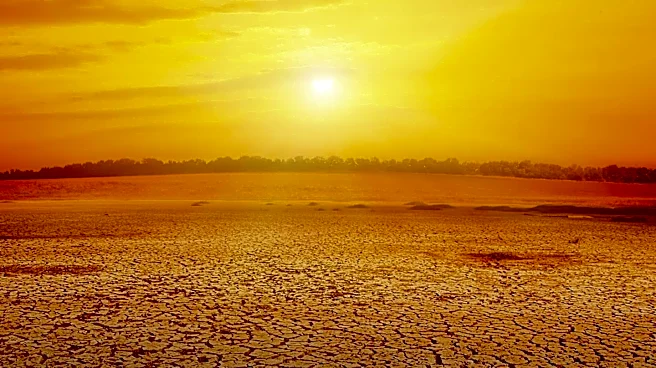
extreme dry heat has exacerbated the situation, leading to widespread evacuations as firefighters struggle to contain the flames. The heat dome, a weather phenomenon characterized by high-pressure systems trapping heat in an area, is causing temperatures to soar, creating ideal conditions for wildfires to ignite and spread rapidly.
Why It's Important?
The intensification of wildfires due to the heat dome has significant implications for public safety, environmental health, and economic stability in the affected regions. The fires pose immediate threats to human life and property, necessitating large-scale evacuations and emergency responses. Additionally, the environmental impact is profound, with potential long-term damage to ecosystems and air quality. Economically, the fires can disrupt local economies, particularly in areas dependent on agriculture and tourism, and strain public resources as firefighting efforts require substantial funding and manpower.
What's Next?
As the heat dome persists, continued vigilance and preparedness are crucial. Authorities are likely to maintain and possibly expand evacuation orders to ensure public safety. Firefighting efforts will continue to be a priority, with additional resources potentially being deployed to manage the situation. Meteorologists will closely monitor weather patterns to predict any changes that could either alleviate or worsen the current conditions. Public health advisories may also be issued to address the risks associated with poor air quality due to smoke from the fires.