





What's Happening?
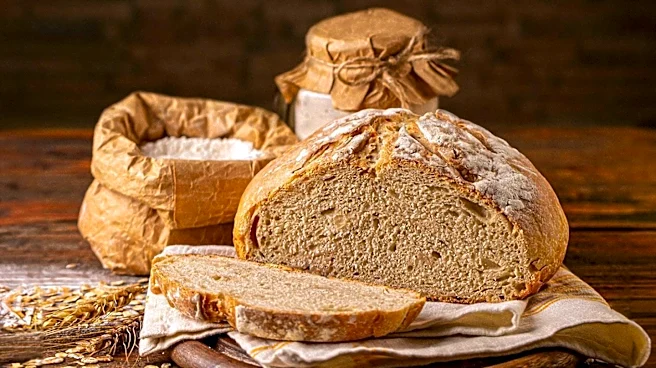
Researchers have discovered yeast in the gut of Ötzi the Iceman, a 5,300-year-old mummy found in the Alps. This yeast, which has survived in subzero temperatures, was used by scientists to successfully bake sourdough bread. The study, published in the Microbiome
journal, reveals that the yeast entered Ötzi's body postmortem and has been preserved in his frozen remains. The yeast's ability to degrade phenol suggests potential bioremediation applications. The research also highlights the presence of ancient gut bacteria in Ötzi, offering insights into the diet and microbiome of ancient humans.
Why It's Important?
This discovery provides a unique glimpse into ancient human microbiomes, offering potential applications in modern science. The ability of the yeast to degrade phenol could lead to new methods for cleaning contaminated environments. Additionally, understanding ancient diets and microbiomes can inform current health and dietary practices. The study underscores the value of archaeological finds in advancing scientific knowledge and exploring new biotechnological applications.
What's Next?
Further research is needed to explore the full potential of the yeast for bioremediation and other applications. Scientists may also investigate the implications of ancient microbiomes on modern health. The study opens avenues for exploring other ancient remains for similar discoveries, potentially leading to breakthroughs in understanding human evolution and ancient diets.