




What's Happening?
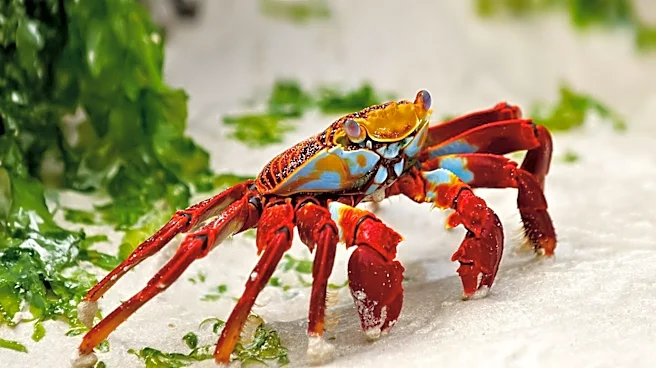
Louisiana has successfully restored 1,170 acres of wetlands in the Barataria Basin, leading to the return of shrimp, crabs, and red drum to the area. This restoration is part of a larger effort to rebuild Louisiana's coastal habitats, which have suffered
from decades of land loss and the 2010 Deepwater Horizon oil spill. The project, known as the Upper Barataria Marsh Creation Project, involved dredging 8 million cubic yards of sediment from the Mississippi River to create new marshland. The restored wetlands are already showing signs of ecological recovery, with native plant species taking root and marine life returning.
Why It's Important?
The restoration of the Barataria Basin wetlands is crucial for Louisiana's economy and environment. Healthy wetlands support a significant portion of the U.S. seafood industry, with Louisiana's blue crab and white shrimp harvests generating over $120 million in 2024. The project not only aids in ecological recovery but also helps protect Louisiana's fishing, hunting, and birdwatching traditions. The success of this restoration could serve as a model for future efforts to combat coastal erosion and habitat loss in the Gulf region.
What's Next?
The project is governed by a 20-year monitoring and adaptive management plan to ensure the marsh develops into a healthy ecosystem. Scientists will continue to track the condition of the marsh and recommend corrective measures if necessary. The restoration aims to provide long-term benefits to Louisiana's coastal communities and industries, with the newly created marsh expected to stabilize and improve nutrient cycling over the next two decades.