
What's Happening?
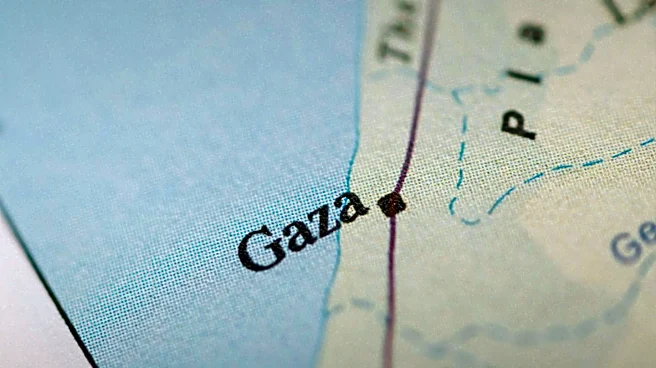
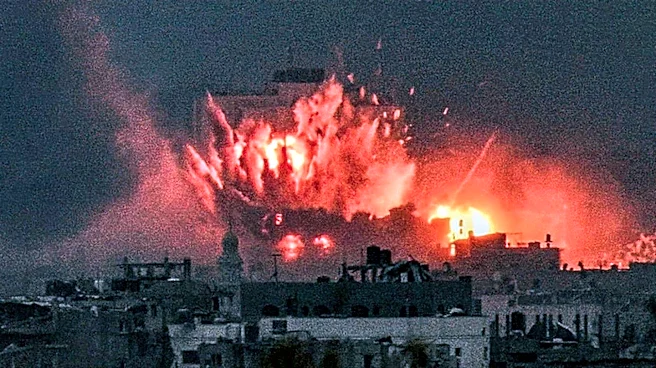
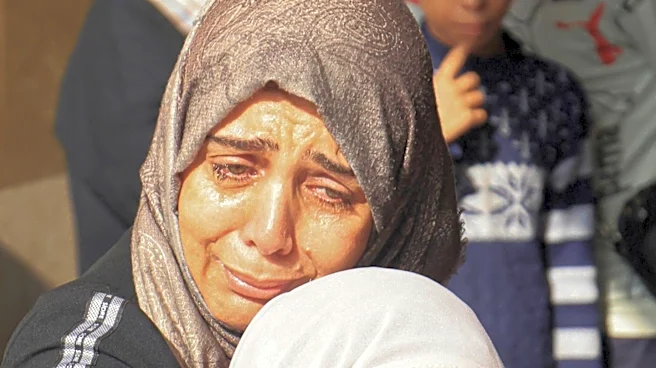
The International Committee of the Red Cross (ICRC) has significantly expanded its mental health and psychosocial support (MHPSS) program in Gaza. This expansion comes in response to a rapidly deteriorating
humanitarian situation and a high demand for MHPSS services among adults, children, and families affected by the ongoing conflict. The ICRC, founded in 1863, is an impartial, neutral, and independent humanitarian organization dedicated to preserving human dignity and alleviating suffering caused by war and armed violence. In collaboration with Red Cross and Red Crescent partners globally, the ICRC delivers life-saving aid, helps reconnect families, and locates missing persons. The organization also engages with authorities and armed forces to improve living conditions for detainees and advocate for compliance with international humanitarian law, protecting non-combatants from various threats, including digital ones. The MHPSS program, launched in 2024, specifically targets patients in health facilities and Community Mental Health Centers across the Middle Area and southern Gaza, complementing existing medical care. Additionally, the ICRC's MHPSS initiatives include support for individuals with physical disabilities and self-care programs for Ministry of Health staff working in ICRC-supported health facilities.
Why It's Important?
The expansion of the ICRC's MHPSS program in Gaza is critically important due to the severe and widespread psychological impact of prolonged conflict on the civilian population. The humanitarian crisis has created an urgent need for mental health services, which are often overlooked in emergency responses but are fundamental to long-term recovery and community resilience. By providing MHPSS, the ICRC addresses not only immediate psychological distress but also aims to mitigate the potential for chronic mental health conditions that can arise from trauma and displacement. This initiative underscores the ICRC's commitment to a holistic approach to humanitarian aid, recognizing that physical well-being is intrinsically linked to mental health. The program's focus on supporting healthcare workers also highlights the critical need to prevent burnout among those on the front lines of the crisis, ensuring the sustainability of essential services. The ICRC's impartial and neutral stance allows it to operate in complex environments, making its interventions vital for populations that might otherwise lack access to such critical support.
What's Next?
The ICRC will continue to implement and potentially further expand its MHPSS program in Gaza, adapting to the evolving humanitarian needs. The organization will likely focus on strengthening its collaboration with local Red Crescent branches, governmental authorities, and other international partners to ensure comprehensive and coordinated service delivery. Ongoing assessments will be crucial to identify emerging needs and tailor interventions effectively. The ICRC's engagement with authorities and armed forces will persist, aiming to secure access for humanitarian operations and advocate for the protection of civilians and compliance with international humanitarian law. The program's success will depend on sustained funding, secure access to affected populations, and the ability to maintain a safe working environment for its staff. Future efforts may also include capacity building for local mental health professionals and community-based support networks to foster long-term self-sufficiency in mental health care.
Beyond the Headlines
The ICRC's MHPSS program in Gaza sheds light on the often-underestimated long-term consequences of armed conflict, particularly the invisible wounds of psychological trauma. Beyond immediate physical aid, addressing mental health is crucial for rebuilding societies and fostering peace. The program's emphasis on supporting healthcare workers also highlights a broader ethical consideration in humanitarian aid: the well-being of those who provide care in high-stress environments. Their capacity for empathy and resilience directly impacts the quality and reach of humanitarian services. This initiative also subtly underscores the challenges of operating in politically charged environments, where the ICRC's principles of neutrality and impartiality are constantly tested but remain essential for gaining trust and access. The long-term success of such programs could serve as a model for integrating mental health support into broader humanitarian responses globally, recognizing it as a fundamental component of human dignity and recovery, not merely an ancillary service.