





What's Happening?
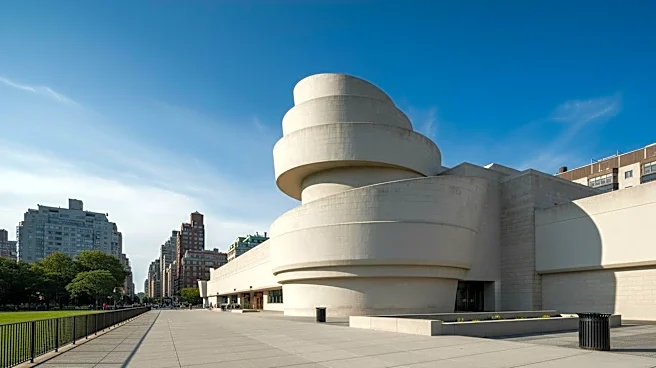
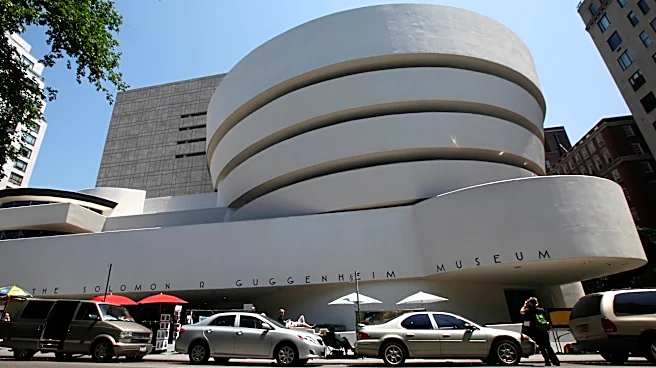
The Solomon R. Guggenheim Museum in Manhattan has detected the bacteria that causes Legionnaires’ disease in its cooling tower. Despite this, the museum remains safe for visitors and employees, as confirmed by both the museum and the union representing
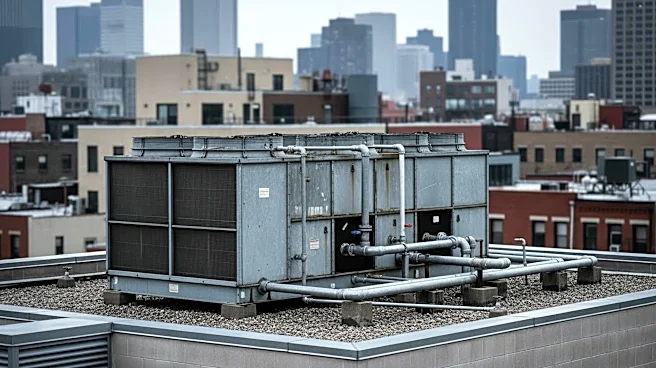
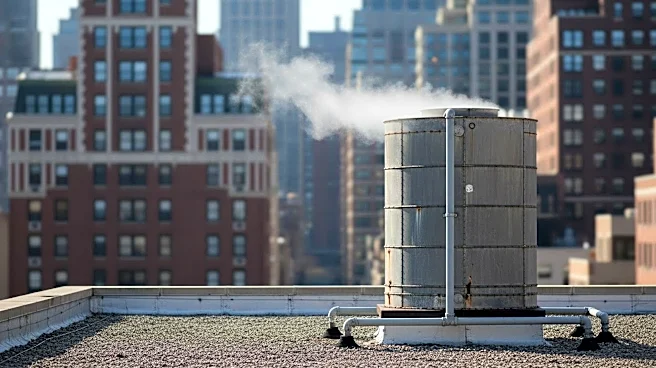
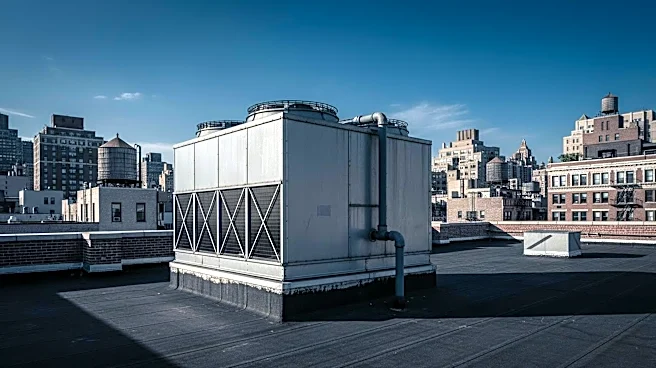
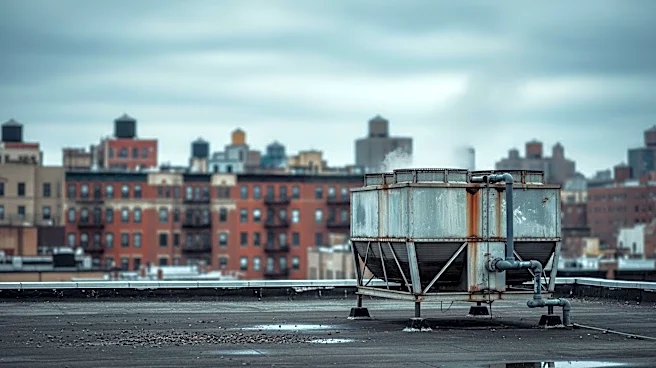
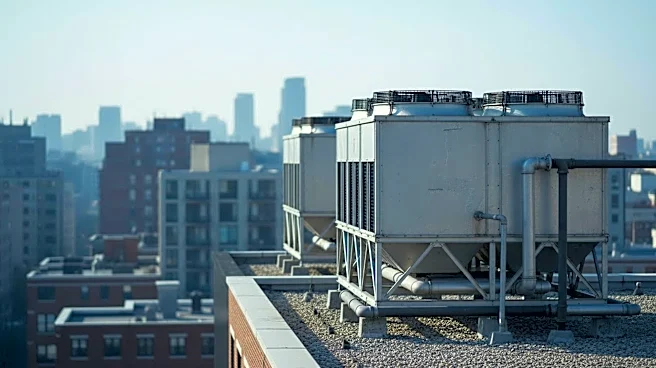
its workers. The disease, which is a severe form of pneumonia, spreads through inhaling water droplets containing the bacteria Legionella. The museum has conducted regular testing and cleaning of its cooling towers, and all necessary remediation has been completed. The New York City Health Department is actively inspecting cooling towers across Manhattan's Upper East Side, where 36 cases and 22 hospitalizations have been reported, though no deaths have occurred.
Why It's Important?
The discovery of Legionella bacteria at a prominent cultural institution like the Guggenheim Museum underscores the ongoing public health challenges posed by Legionnaires’ disease, particularly in urban environments. The situation highlights the importance of regular maintenance and monitoring of building systems to prevent outbreaks. It also raises awareness about the potential health risks associated with cooling towers, especially during heatwaves when the bacteria can proliferate. The museum's proactive response and adherence to city regulations serve as a model for other institutions in managing similar health risks.
What's Next?
The Guggenheim Museum will continue to monitor the situation closely, with plans to retest the cooling tower for Legionella. The New York City Health Department is expected to release a list of locations where the bacteria has been found, increasing transparency and public awareness. This incident may prompt other institutions to review their own cooling tower maintenance protocols. Additionally, the museum's ongoing contract negotiations with its unionized staff could be influenced by the current health and safety concerns, potentially impacting future labor relations.