
What's Happening?
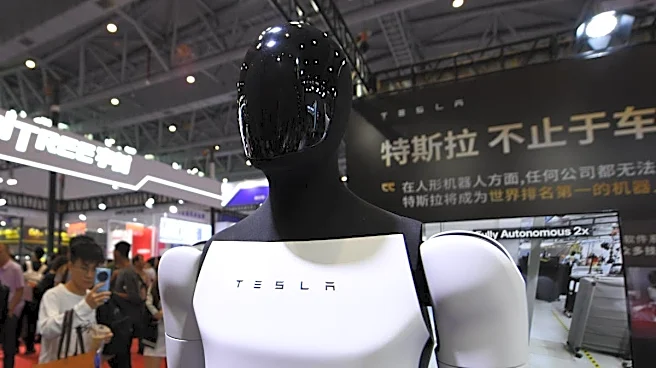
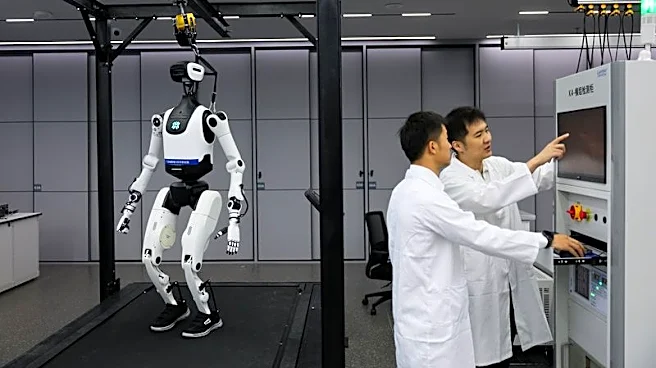
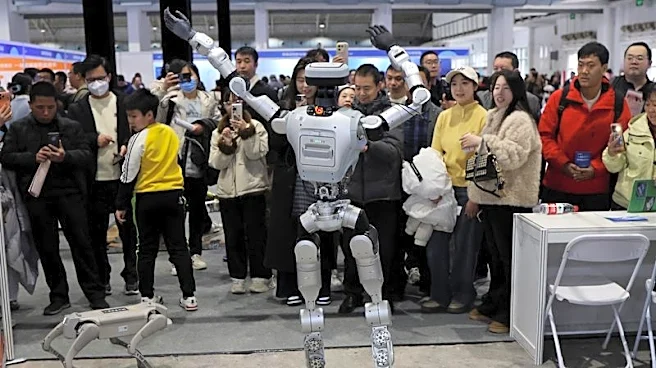
The Trump administration has implemented a ban on Chinese humanoid robots, citing national security risks. The Federal Communications Commission (FCC) has identified these robots as potential threats due
to their data collection capabilities, which could be exploited for surveillance or cyberattacks. This move is part of a broader strategy to reduce reliance on foreign technology and bolster domestic manufacturing. The ban also extends to connected power inverters from Chinese companies, which are used in renewable energy systems and pose similar security vulnerabilities.
Why It's Important?
This ban highlights the ongoing tensions between the U.S. and China regarding technology and cybersecurity. By restricting Chinese technology, the U.S. aims to protect its critical infrastructure and maintain technological sovereignty. This decision could impact U.S.-China trade relations and influence global supply chains, particularly in the robotics and renewable energy sectors. The focus on domestic manufacturing may lead to increased investment in U.S. technology development, potentially creating new jobs and fostering innovation.
What's Next?
The ban is likely to prompt responses from both the Chinese government and affected companies, potentially leading to diplomatic negotiations or trade disputes. U.S. companies may accelerate efforts to develop alternative technologies to replace banned imports. Additionally, the focus on cybersecurity and supply chain security is expected to remain a priority for U.S. policymakers, potentially resulting in further regulations and restrictions on foreign technology.