


What's Happening?
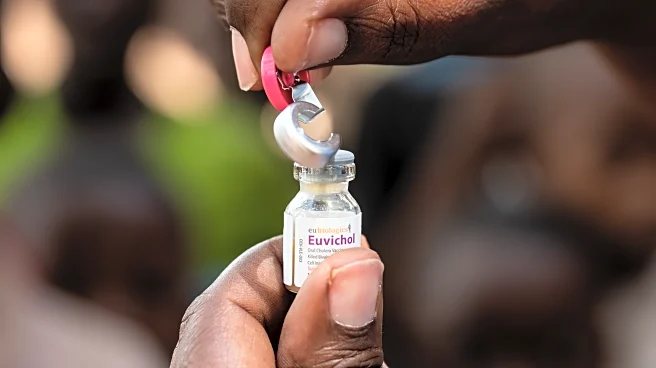
A study from the USC Leonard Davis School of Gerontology suggests that the shingles vaccine may be associated with slower biological aging in older adults. The research analyzed data from the U.S. Health and Retirement Study, involving over 3,800 participants
aged 70 and older. Findings indicate that vaccinated individuals showed signs of slower biological aging compared to those who did not receive the vaccine. The study highlights potential benefits beyond infection prevention, suggesting that the vaccine may reduce inflammation and support healthier aging.
Why It's Important?
The potential link between the shingles vaccine and reduced biological aging could have significant implications for public health strategies aimed at promoting healthy aging. If further research confirms these findings, it could lead to broader recommendations for adult vaccination as a means to enhance longevity and reduce age-related health issues. This could also influence healthcare policies and resource allocation towards preventive measures that support aging populations.
What's Next?
Further research is needed to understand the mechanisms behind the observed effects and to confirm the findings in different populations. Longitudinal and experimental studies could provide more definitive evidence of the vaccine's impact on biological aging. If validated, these findings could lead to changes in vaccination guidelines and increased advocacy for adult vaccination as part of comprehensive aging strategies.