







What's Happening?
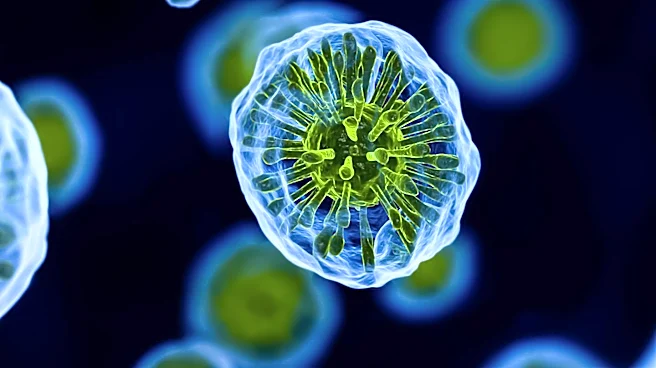
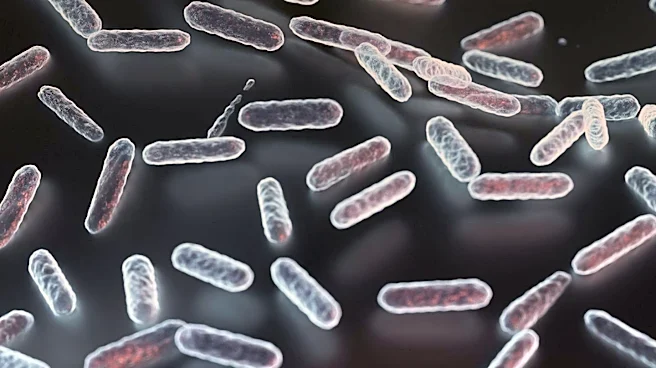
Louisiana health officials have issued a warning to beachgoers following a surge in infections caused by the flesh-eating bacterium Vibrio vulnificus. This year, the state has confirmed nine cases, resulting in five deaths, a significant increase compared
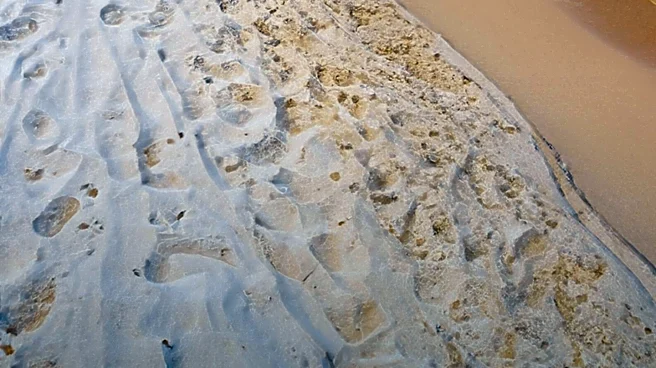
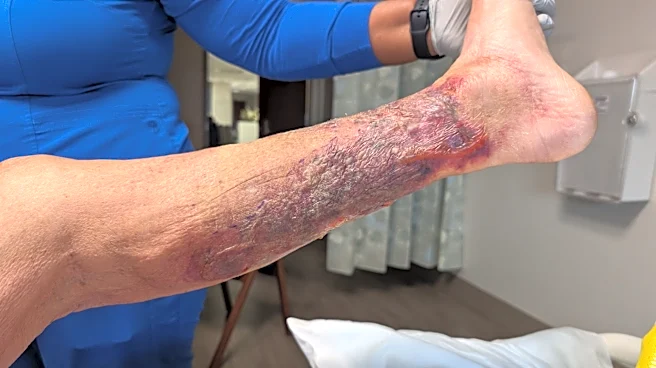
to the average of seven cases and one death annually over the past decade. Vibrio bacteria thrive in warm, brackish waters, making the Gulf Coast an ideal environment for their proliferation. The bacteria can cause severe infections when they enter the body through open wounds, leading to symptoms such as swelling, bruising, and decay. The Centers for Disease Control and Prevention (CDC) notes that Vibrio vulnificus infections have a high fatality rate, with one in five cases resulting in death.
Why It's Important?
The increase in Vibrio vulnificus infections highlights the growing public health challenge posed by climate change, as warming ocean temperatures create more favorable conditions for the bacteria. This trend poses a significant risk to coastal communities and underscores the need for increased awareness and preventive measures. The economic impact on local tourism and healthcare systems could be substantial, as more resources may be required to manage and treat infections. Additionally, the situation raises concerns about the safety of consuming raw or undercooked shellfish, which can also transmit the bacteria.
What's Next?
Health officials are likely to continue monitoring the situation closely and may implement additional public health advisories or interventions to mitigate the risk of infection. Public education campaigns could be intensified to inform residents and visitors about the dangers of Vibrio bacteria and the importance of seeking prompt medical attention for wounds exposed to coastal waters. Researchers may also explore strategies to predict and prevent outbreaks, potentially leading to new guidelines for safe water activities and seafood consumption.
Beyond the Headlines
The rise in Vibrio infections serves as a reminder of the broader implications of climate change on public health. As ocean temperatures continue to rise, the geographic range of Vibrio bacteria may expand, potentially affecting new regions and populations. This situation calls for a reevaluation of current public health strategies and highlights the need for global efforts to address climate change and its impact on human health.