




What's Happening?
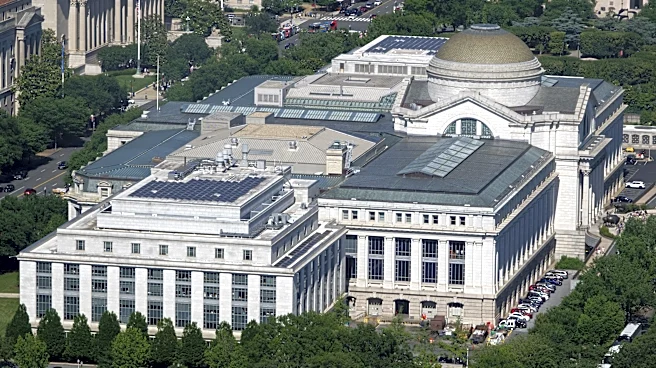
The Smithsonian Institution is actively recruiting a Biological Sciences Program Coordinator for its Forest Global Earth Observatory (ForestGEO) initiative, specifically for the GEO-TREES program. This full-time, temporary position, located at the National
Museum of Natural History in Washington, DC, is open to all qualified applicants and offers a salary of $121,785 per year. The GEO-TREES initiative aims to establish a reliable global carbon verification system for forests, addressing uncertainties in satellite-based carbon estimates. The coordinator will be responsible for the scientific and technical implementation of an international forest carbon monitoring and verification network. Key duties include coordinating scientific program activities related to forest monitoring, biomass estimation, and ecosystem measurement, as well as working with scientists and collaborating institutions to ensure consistent implementation of research methodologies and data collection procedures. The application deadline is November 20, 2026, or once 100 applications have been received.
Why It's Important?
This recruitment highlights the Smithsonian Institution's commitment to advancing critical environmental research and addressing global climate challenges. The GEO-TREES initiative, by creating a robust global carbon verification system, has significant implications for U.S. and international climate policy. Accurate forest carbon monitoring is crucial for understanding climate change impacts, developing effective mitigation strategies, and verifying the success of conservation efforts. The coordinator's role in standardizing scientific protocols and fostering international collaboration will contribute to more reliable data, which can inform policy decisions, carbon markets, and conservation funding. This effort supports the broader scientific community's ability to track and respond to changes in forest ecosystems, which are vital for biodiversity and global climate regulation. The position also underscores the importance of scientific expertise in addressing complex environmental issues.
What's Next?
The Smithsonian Institution will continue to accept applications for the Biological Sciences Program Coordinator until November 20, 2026, or until 100 applications are received. Following the closing date, a review of resumes will be conducted to identify qualified candidates, who will then be referred to the hiring manager. The selected individual will play a pivotal role in the ongoing development and implementation of the GEO-TREES initiative, which is expected to strengthen the global network for forest carbon monitoring. This will involve coordinating with international partners, refining scientific methodologies, and ensuring the consistent application of research standards. The success of this initiative could lead to more accurate global carbon assessments, influencing future environmental policies and conservation strategies worldwide.
Beyond the Headlines
The GEO-TREES initiative, by focusing on a 'trustworthy global carbon verification system,' touches upon the broader societal need for reliable scientific data in an era of increasing environmental uncertainty. The emphasis on international collaboration and standardized methodologies reflects a growing recognition that global challenges like climate change require coordinated, cross-border scientific efforts. This position also highlights the unique nature of 'Trust Fund' positions within the Smithsonian, which are funded through diverse sources beyond federal appropriations, showcasing a hybrid model of public-private support for scientific research. The work of the Biological Sciences Program Coordinator will not only contribute to scientific understanding but also to the ethical and policy frameworks surrounding carbon accounting and climate action, potentially influencing how nations measure and report their environmental impact.