



What's Happening?
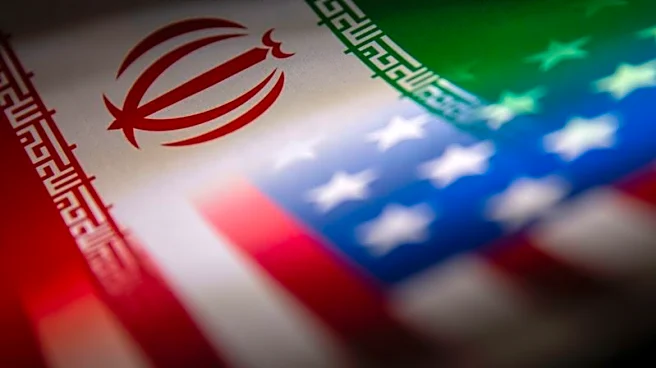
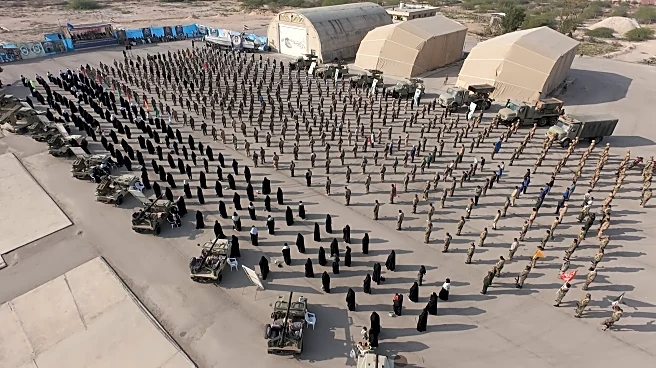
Oil prices have surged to near six-month highs due to escalating tensions between the United States and Iran. Both countries have increased military activities in the Middle East, raising concerns about potential conflicts that could disrupt oil supplies.
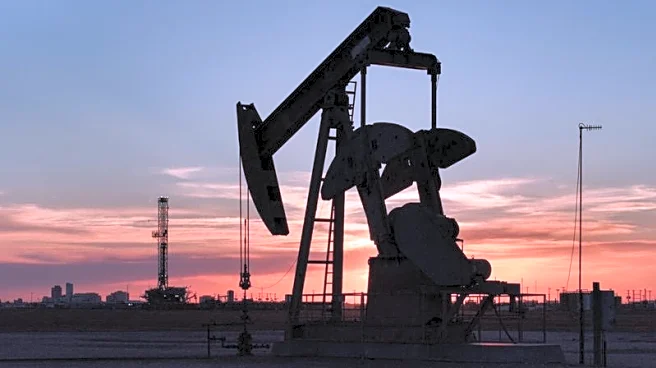
Brent crude futures rose by $1.09, reaching $71.44 per barrel, while U.S. West Texas Intermediate (WTI) crude also increased by $1.09 to $66.28 per barrel. The Strait of Hormuz, a critical passage for about 20% of the world's oil supply, was temporarily closed by Iran, further heightening market anxieties. Analysts suggest that the risk of military action is being factored into oil prices, as traders abandon hopes for an imminent diplomatic resolution with Iran.
Why It's Important?
The rise in oil prices reflects a significant geopolitical risk premium, as the potential for conflict in the Middle East threatens global oil supply stability. The U.S. and Iran's military posturing could lead to disruptions in oil flow through the Strait of Hormuz, impacting global energy markets. This situation underscores the vulnerability of oil-dependent economies to geopolitical tensions. Higher oil prices can lead to increased costs for consumers and businesses, potentially slowing economic growth. Energy companies may benefit from higher prices, but industries reliant on oil as a raw material or energy source could face increased operational costs.
What's Next?
The situation remains fluid, with potential for further escalation or diplomatic engagement. The U.S. has deployed warships near Iran, and Vice President JD Vance has indicated that Washington is weighing its options between continued diplomacy and alternative measures. Iran's planned rocket launches and the lack of progress in recent Geneva talks suggest that tensions may persist. The global oil market will closely monitor developments, as any military action could lead to significant supply disruptions and further price increases.