





What's Happening?
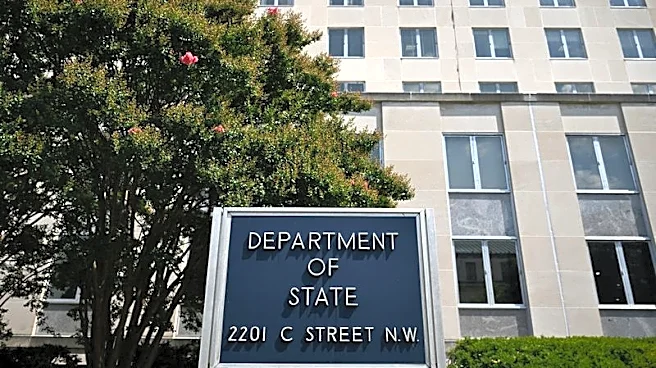
The Trump administration has been redirecting US taxpayer money to rightwing thinktanks in Europe, raising concerns about foreign political influence. According to reports, the US State Department plans to allocate $12 million to conservative organizations
in the UK, with $7 million going to a group co-founded by former Conservative minister Jacob Rees-Mogg. This move is seen as an attempt to bolster far-right parties and influencers in Europe. The funding is part of a broader strategy to cultivate resistance to Europe's current trajectory, as outlined in the US national security strategy. Critics argue that this financial support is a form of meddling in foreign politics, with some European leaders warning against such interference.
Why It's Important?
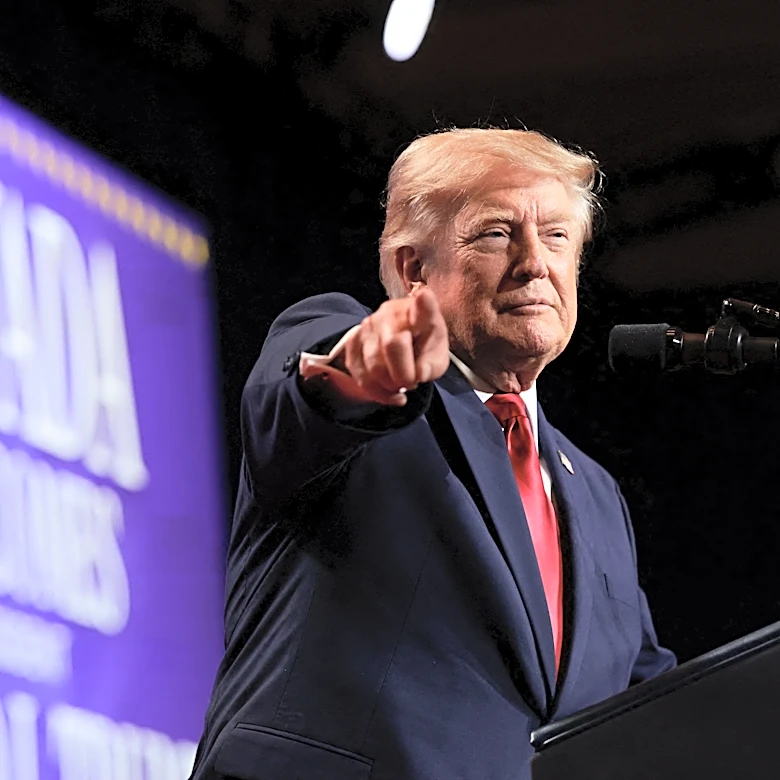
The redirection of US taxpayer money to support rightwing thinktanks in Europe has significant implications for international relations and domestic politics. It highlights the Trump administration's efforts to extend its influence beyond US borders, potentially affecting political dynamics in Europe. This move could strain diplomatic relations with European allies who view it as interference in their internal affairs. Domestically, it raises questions about the administration's commitment to its 'America First' agenda, as funds are being used abroad rather than addressing domestic issues. The controversy also underscores the growing transnationalization of rightwing movements, which could have long-term impacts on global political landscapes.
What's Next?
The allocation of funds to European thinktanks is likely to face scrutiny from both domestic and international stakeholders. European leaders may push back against perceived US interference, potentially leading to diplomatic tensions. In the US, the administration may face criticism from those who believe taxpayer money should prioritize domestic needs. The situation could also prompt discussions about the role of foreign influence in shaping political ideologies and policies. As the Trump administration continues to pursue its international agenda, it will need to navigate these complex dynamics carefully to avoid further controversy.