



What's Happening?
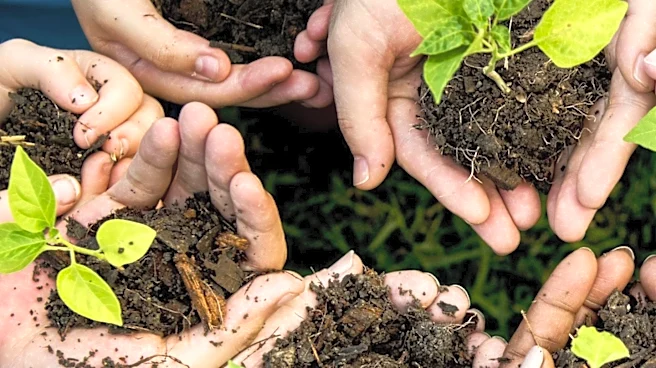
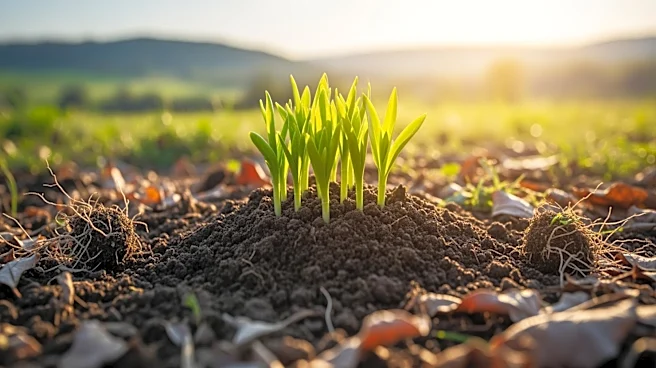
Regenerative agriculture is emerging as a transformative approach in global farming, focusing on soil health and sustainability. This model treats soil as a living system, capable of capturing carbon and retaining water, thus enhancing agricultural productivity.
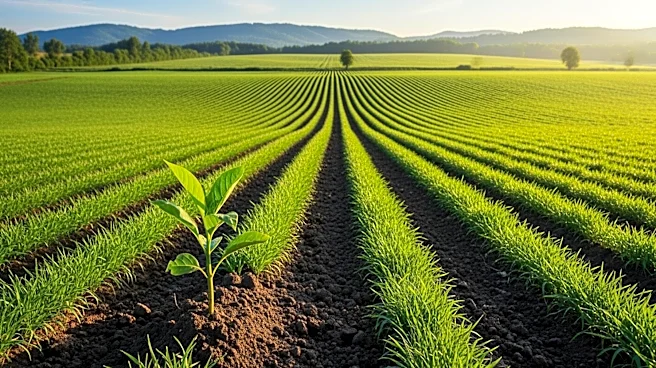
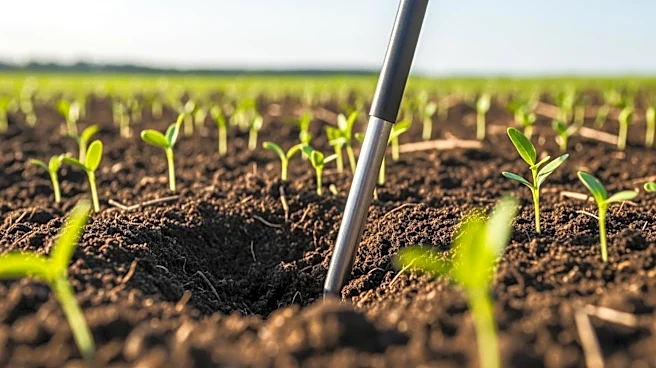
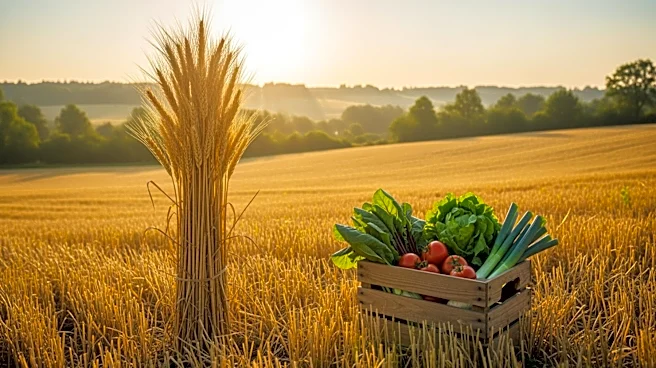
The approach reduces reliance on chemical inputs and emphasizes natural processes, such as maintaining plant cover to prevent erosion and preserve moisture. An example from Tarragona demonstrates the model's success, producing over 12 million kilograms of vegetables annually without chemical fertilizers. The system relies on biological activity, with earthworms and microorganisms enhancing soil fertility and resilience. This method also employs mechanical techniques for weed control and encourages biodiversity to manage pests naturally.
Why It's Important?
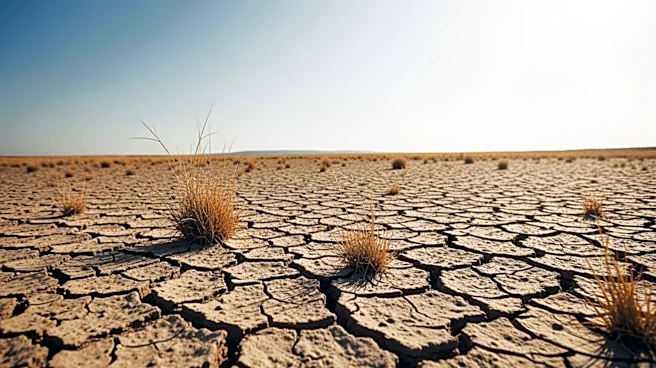
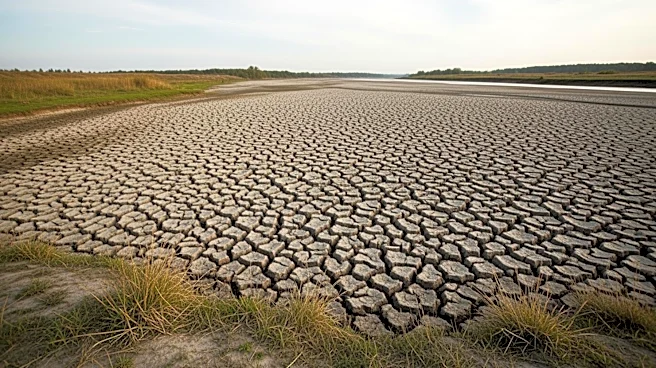
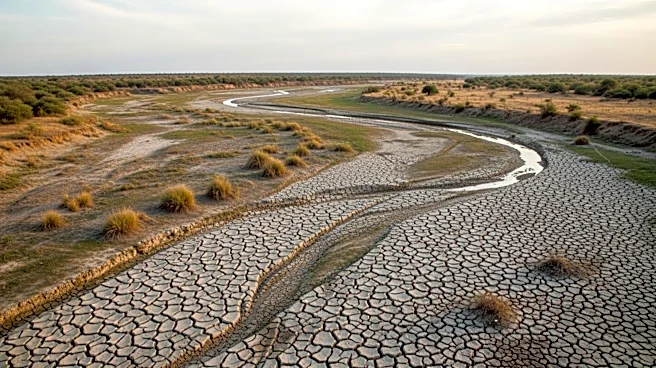
The shift towards regenerative agriculture is significant in the context of climate change and environmental sustainability. By reducing CO2 emissions and improving soil health, this model offers a viable alternative to conventional farming, which often depends heavily on chemical inputs. The approach not only enhances crop resilience to climatic variations but also reduces the environmental impact of agriculture. As climate change intensifies, the ability of regenerative agriculture to retain water and improve soil fertility becomes increasingly crucial. This model also promotes farmer autonomy by reducing dependency on agrochemicals and large suppliers, potentially leading to more sustainable and self-reliant agricultural practices.