







What's Happening?
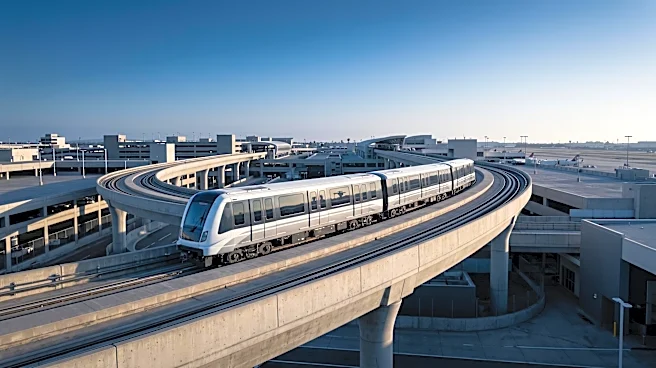
The Automated People Mover (APM) project at Los Angeles International Airport (LAX), now named SkyLink, has experienced another significant delay, with passenger service not expected to begin until January 2027. This new timeline is nearly four years
beyond its original scheduled opening in 2023. The 2.25-mile automated electric train system, which broke ground in March 2019, is currently about 99% complete, with trains already undergoing testing on the elevated tracks without passengers. The latest delay stems from a September 16 filing by LAX Integrated Express Solutions (LINXS), the contractor, indicating project completion by December 8. However, before passenger service can commence, the system requires 30 consecutive days of successful testing, an independent review, an assessment from Los Angeles World Airports (LAWA), and the finalization of a utility agreement with the Los Angeles Department of Water and Power. LINXS has stated there is no guarantee the January 2027 opening date will hold. This is the latest in a series of setbacks that have led to growing tensions and a lawsuit filed by LINXS against the city in July over project delays.
Why It's Important?
The repeated delays of the LAX People Mover project have significant implications for Los Angeles's transportation infrastructure and its reputation for managing large-scale public works. The People Mover is a crucial component of LAX's transformation, designed to connect airport terminals with parking facilities, rental cars, and the Metro Transit Center. Its purpose is to alleviate traffic congestion and reduce reliance on personal vehicles for travelers navigating the airport, a key goal for one of the most congested cities in the U.S. The ongoing delays mean continued inconvenience for millions of travelers and sustained pressure on existing, often overtaxed, transportation options around LAX. The dispute between LAWA and LINXS over responsibility for the delays highlights potential issues in public-private partnerships for major infrastructure projects, impacting future collaborations and project financing. The project's failure to meet deadlines also erodes public trust in the timely delivery of essential urban development initiatives, affecting economic stakeholders who rely on efficient airport access.
What's Next?
The immediate next steps involve the completion of the project by LINXS by December 8, followed by a mandatory 30 consecutive days of successful system testing. After this, an independent review and an assessment by LAWA are required before passenger service can be considered. The utility agreement with the Los Angeles Department of Water and Power also needs to be finalized. Given LINXS's statement that the January 2027 opening date is not guaranteed, further delays remain a possibility. The ongoing lawsuit between LINXS and the city will likely continue, potentially impacting financial aspects and future project management. LAWA has emphasized that safety and reliability are paramount and will not be compromised by rushing the final stages, indicating a cautious approach to the system's launch. Public and political scrutiny will remain high as Los Angeles residents and travelers await the operational launch of this long-promised transportation solution.
Beyond the Headlines
The persistent delays of the LAX People Mover project underscore broader challenges in urban infrastructure development, particularly in complex, high-traffic environments. Beyond the immediate financial and logistical impacts, the situation raises questions about accountability, risk allocation in large contracts, and the efficacy of project oversight. The public's growing frustration reflects a deeper societal need for reliable and efficient public transportation solutions in sprawling metropolitan areas like Los Angeles. The project's struggles could influence future contracting models for public works, potentially leading to more stringent clauses regarding delays and penalties, or a re-evaluation of how such massive undertakings are planned and executed. The ethical dimension of public funds being tied up in a perpetually delayed project, while the intended beneficiaries continue to face the problems it was meant to solve, also comes into focus. This situation could serve as a case study for urban planners and policymakers on the complexities of delivering modern transit systems.