







What's Happening?
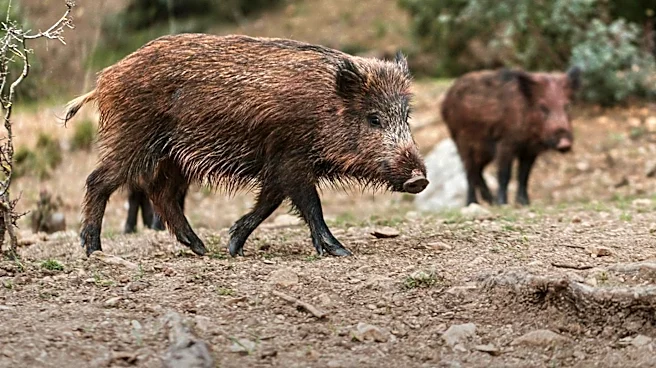
The U.S. Department of Agriculture (USDA) has committed $51.9 million to 29 partnership projects across 13 states to address the threats posed by feral swine to agricultural producers. This investment is part of a larger $105 million initiative for the Feral
Swine Eradication and Control Pilot Program, a collaborative effort between USDA’s Natural Resources Conservation Service (NRCS) and USDA’s Animal and Plant Health Inspection Service (APHIS). In Arkansas, two specific projects have been awarded $2.9 million. According to Arkansas State Conservationist Amanda Mathis, these projects are crucial for eradicating and controlling feral swine, which negatively impact plant and wildlife habitats, soil, water quality, and can transmit diseases to livestock and humans. The funding for these projects is provided by the Working Families Tax Cuts Act, marking a significant long-term investment in NRCS conservation programs. Since 2020, NRCS has invested $92.9 million in 63 projects under this program, assisting over 6,700 landowners on nearly 9 million acres.
Why It's Important?
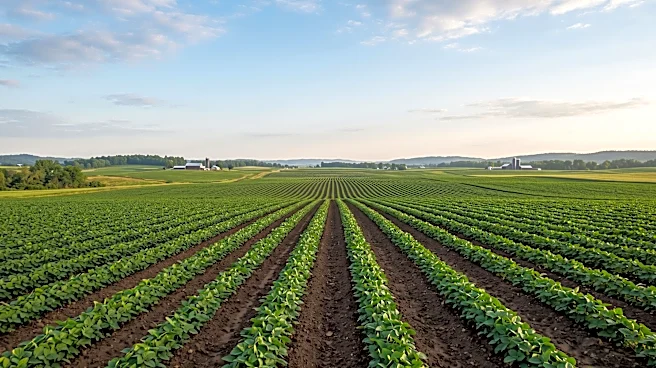
The widespread issue of feral swine poses a substantial economic and environmental threat across the United States. These animals cause significant damage to agricultural lands, costing producers millions in crop and livestock losses. Beyond direct agricultural impacts, feral swine degrade natural resources by destroying habitats, eroding soil, and contaminating water sources. Their ability to carry and transmit diseases also presents a public health concern and a risk to domestic livestock, potentially leading to costly outbreaks and trade restrictions. The USDA's investment aims to mitigate these threats, protecting the livelihoods of farmers and ranchers, preserving ecosystems, and safeguarding public health. By focusing on eradication and control, the program seeks to reduce the financial burden on agricultural communities and prevent further ecological damage, contributing to the long-term sustainability of U.S. agriculture and natural resources.
What's Next?
The awarded projects will proceed with implementing strategies for feral swine eradication and control, including landowner assistance for restoration and on-farm trapping efforts, as well as providing related training services. These initiatives will be supported through grant agreements between partners and NRCS. The continued success of these projects will likely inform future funding allocations and program expansions. The USDA will monitor the effectiveness of these efforts in reducing feral swine populations and their associated damages. The long-term goal is to establish sustainable control measures that protect agricultural landscapes and natural resources from the ongoing threat of feral swine, potentially leading to further legislative support or program adjustments based on outcomes and evolving needs.
Beyond the Headlines
The Feral Swine Eradication and Control Pilot Program highlights a broader challenge in wildlife management and its intersection with agriculture and public health. The program's reliance on the Working Families Tax Cuts Act underscores how diverse legislative initiatives can be leveraged for environmental and agricultural conservation. The collaborative approach between NRCS and APHIS, along with local partners, demonstrates the complexity of addressing such issues, requiring coordinated efforts across multiple agencies and stakeholders. This initiative also brings to light the often-overlooked ecological and economic consequences of invasive species, emphasizing the need for proactive and sustained intervention to protect both natural ecosystems and human economic activities. The program's focus on landowner training and assistance suggests a recognition of the importance of community engagement and education in achieving long-term success in conservation efforts.