










What's Happening?
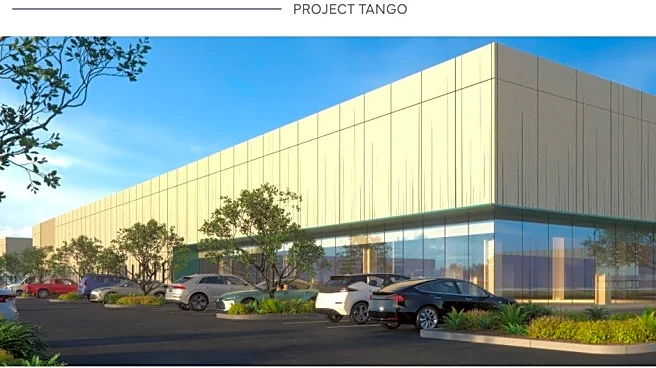
Elk Grove Village, a northwest Chicago suburb, is set to distribute $200 prepaid Visa gift cards to all of its 14,000 households. This financial bonus comes as a direct result of the sale of two data center properties, which generated over $4 million
in real estate transfer tax revenue. According to Elk Grove Village Mayor Craig Johnson, the village decided to pass this windfall directly to its residents. This marks the fifth time in the last six years that the village has provided direct financial relief to its residents. Previous initiatives included $200 water bill credits and waived business and license fees during the COVID-19 pandemic, as well as similar $200 Visa prepaid gift card distributions in 2022 and 2024, which were also funded by revenues related to data centers.
Why It's Important?
This decision by Elk Grove Village highlights a unique approach to local governance and economic benefit sharing. By directly distributing funds generated from commercial property sales, the village is providing tangible financial relief to its residents. This action is particularly significant in the context of rising living costs and economic uncertainties, offering a direct boost to household budgets. It also demonstrates a proactive strategy by the village to ensure that the economic success of its business community, particularly the burgeoning data center sector, translates into direct benefits for its citizens. This model could serve as an example for other municipalities grappling with how to equitably share the proceeds from significant commercial developments, fostering goodwill between local government and its constituents while potentially stimulating local spending as residents utilize their gift cards.
What's Next?
Elk Grove Village will proceed with the distribution of the $200 prepaid Visa gift cards to all 14,000 households. Residents can expect to receive these cards in the near future. The village's consistent practice of providing direct financial relief, as evidenced by previous distributions and credits, suggests that similar initiatives may be considered in the future if favorable economic conditions or revenue windfalls occur. This approach could also influence other suburban communities to explore similar mechanisms for sharing economic benefits with their residents, especially as the data center industry continues to expand in various regions. The ongoing development and sale of data center properties will likely remain a significant source of revenue for the village, potentially enabling future resident-focused programs.
Beyond the Headlines
The decision by Elk Grove Village to distribute funds directly to residents from data center property sales touches upon broader themes of local economic development, community welfare, and the social contract between government and its citizens. It raises questions about how municipalities can best manage and distribute wealth generated from industrial growth, particularly in sectors like data centers that can be controversial due to their resource consumption (e.g., energy, water) and land use. This direct distribution model could foster greater public support for such developments, as residents see a clear, immediate benefit. It also underscores the importance of transparent and accountable governance in ensuring that economic prosperity is shared, rather than concentrated. The repeated nature of these distributions suggests a deliberate policy choice to prioritize resident well-being, potentially setting a precedent for how local governments can creatively leverage economic opportunities for the direct benefit of their communities.