







What's Happening?
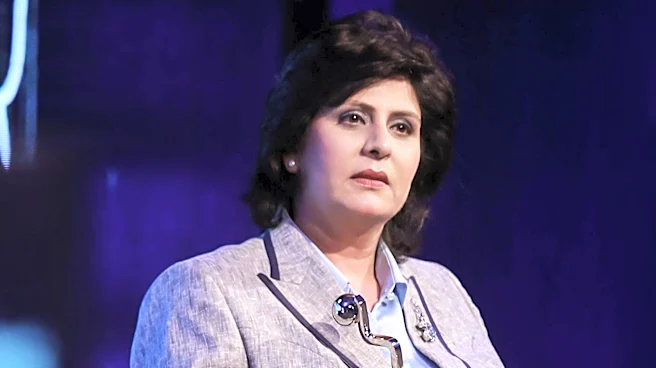
Visiting Italian Minister for Disabilities Alessandra Locatelli has called upon the Group of Seven (G7) major democracies to place a higher priority on addressing the challenges faced by people with disabilities during emergencies such as natural disasters
and armed conflicts. In an interview conducted in Tokyo, Minister Locatelli also advocated for the G7 to promote the adoption of new technologies, including artificial intelligence (AI), to achieve these objectives. She highlighted that individuals with disabilities experience particular hardships as global natural disasters and armed conflicts intensify. Locatelli expressed her commitment to fostering stronger cooperation among G7 member states to develop guidelines and implement measures aimed at assisting this vulnerable population. The G7 has historically focused on economic matters since the 1970s, with the first ministerial meeting specifically dedicated to people with disabilities occurring in 2024 under Italy's G7 presidency. Locatelli spearheaded this inaugural meeting, marking it as a significant milestone for G7 ministers to reaffirm shared principles on the issue.
Why It's Important?
Minister Locatelli's call underscores a critical, often overlooked, aspect of global humanitarian response and technological integration. By urging the G7 to prioritize the needs of people with disabilities in emergencies, she is advocating for a more inclusive and equitable approach to disaster preparedness and conflict resolution. This initiative could lead to the development of standardized international guidelines and policies that ensure better protection, accessibility, and support for disabled individuals during crises. Furthermore, her emphasis on leveraging AI for disability support highlights the potential for technology to significantly improve daily life and emergency response for this community. This could spur innovation in assistive technologies and AI-driven solutions, creating new markets and fostering technological advancements that benefit a broader segment of the population. The G7's engagement on this issue could set a precedent for other international bodies, promoting a global shift towards more inclusive humanitarian aid and technological development.
What's Next?
Following Minister Locatelli's advocacy, the G7 nations are expected to further discuss and potentially integrate these priorities into their future agendas. The initial ministerial meeting in 2024 serves as a foundation for ongoing dialogue and policy development. Future G7 summits and ministerial gatherings may include dedicated sessions or working groups focused on creating concrete guidelines and action plans for disability support in emergencies. There could be increased collaboration among member states to share best practices, develop innovative solutions, and allocate resources towards these initiatives. Additionally, there may be a push for greater investment in research and development of AI technologies specifically designed to assist people with disabilities, particularly in crisis situations. The international community will likely observe the G7's response as a benchmark for addressing disability inclusion in global humanitarian efforts and technological advancement.
Beyond the Headlines
The push for G7 action on disability support in emergencies and AI integration extends beyond immediate policy changes, touching upon deeper ethical and societal implications. Ethically, it reinforces the principle of universal human rights, ensuring that vulnerable populations are not marginalized during crises. It challenges nations to move beyond basic aid to proactive, inclusive planning. Legally, it could lead to the development of international norms and potentially legally binding frameworks that mandate specific protections and provisions for people with disabilities in disaster and conflict zones. Culturally, it promotes a more empathetic and inclusive global perspective, recognizing the unique challenges faced by disabled individuals and fostering a culture of accessibility and support. The integration of AI also raises questions about data privacy, algorithmic bias, and equitable access to technology, which will need careful consideration as these solutions are developed and deployed. This initiative could catalyze a long-term shift in how international aid and technological innovation are approached, ensuring that no one is left behind.