
What's Happening?
Intense snowfall and icy weather conditions have led to significant travel disruptions across Europe, particularly affecting airports in Amsterdam and Paris. According to reports, six people have died
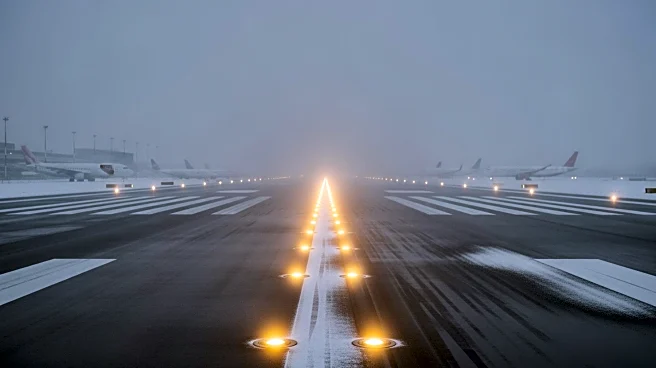
in weather-related incidents, with five fatalities occurring in France due to treacherous driving conditions and one in Bosnia's capital, Sarajevo, after heavy snowfall. The Dutch airline KLM canceled 600 flights on Wednesday, following 400 cancellations on Tuesday, due to the severe weather. In France, Transport Minister Philippe Tabarot instructed airlines to cancel at least 40% of flights at Paris' Charles de Gaulle airport and around 25% at Orly airport. Brussels Airport also warned of potential delays due to de-icing operations. The adverse weather has left hundreds of passengers stranded, with long queues forming at airline counters as travelers seek information on flight resumptions.
Why It's Important?
The severe weather conditions and resulting travel disruptions highlight the vulnerability of transportation infrastructure to extreme weather events. The cancellations and delays have significant economic implications, affecting airlines, airports, and passengers. The situation underscores the need for robust contingency planning and infrastructure resilience to mitigate the impact of such events. The disruptions also have a ripple effect on global travel, as many passengers rely on connecting flights through major European hubs. The economic impact extends to businesses relying on timely deliveries and travel, potentially affecting supply chains and operations.
What's Next?
As the weather conditions persist, further cancellations and delays are expected, with authorities advising minimal travel and encouraging remote work where possible. Airlines and airports will need to manage passenger expectations and provide timely updates to minimize frustration. The situation may prompt a review of emergency response protocols and infrastructure investments to better handle future weather-related disruptions. Stakeholders, including government agencies and transportation companies, may collaborate to enhance resilience and ensure continuity of operations during extreme weather events.