









What's Happening?
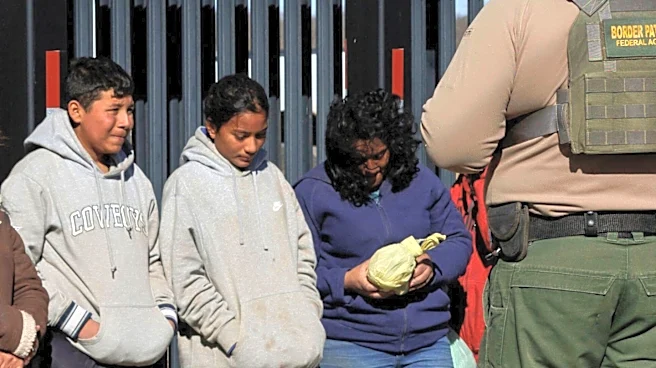
Democrats in Congress have been criticized for their muted response to the fatal shootings of two immigrant men by ICE agents in Maine and Texas. The incidents involved Johan Sebastián Durán Guerrero and Lorenzo Salgado Araujo. Despite previous calls
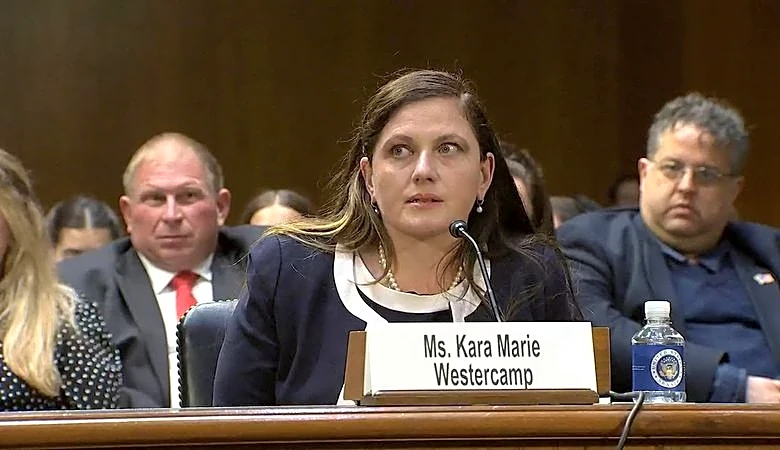
to abolish or restrict ICE following similar incidents involving U.S. citizens, the current response has been less vigorous. Representative Delia Ramirez expressed concern over the lack of action, suggesting that racial factors might influence the level of political outrage. The Melt ICE Act, introduced by Ramirez, aims to end DHS funding for immigrant detention but has not gained significant traction.
Why It's Important?
The response to these incidents highlights ongoing debates about immigration enforcement and racial disparities in political reactions. The lack of action from Congress could perpetuate a cycle of violence and impunity within ICE operations. This situation underscores the challenges in reforming immigration policies and addressing systemic issues within federal agencies. The muted response may also reflect broader societal attitudes towards immigrants and racial minorities, potentially influencing future legislative priorities and public discourse.
What's Next?
The future of the Melt ICE Act and similar legislative efforts remains uncertain. Without increased political pressure, significant changes to ICE operations or funding are unlikely. The ongoing violence and fatalities associated with ICE could prompt renewed calls for reform, especially if public protests and advocacy efforts gain momentum. The role of progressive lawmakers and civil society in pushing for accountability and policy changes will be crucial in shaping the next steps.
Beyond the Headlines
The situation raises ethical questions about the treatment of immigrants and the role of race in shaping political responses. The normalization of violence against non-citizens could have long-term implications for U.S. immigration policy and human rights standards. The debate over ICE's future may also influence broader discussions about federal agency accountability and the balance between national security and civil liberties.