







What's Happening?
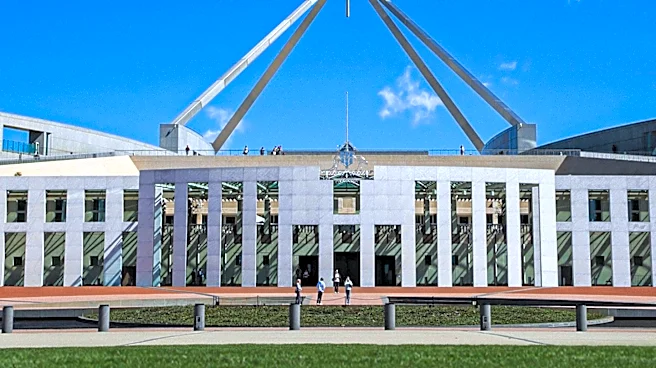
Australia has enacted significant changes to its migration policy, granting ministers enhanced powers to deport or deny entry to immigrants deemed a potential threat to community safety, social cohesion, respect for the law, and human rights. These new
measures, which quietly came into force on October 31 through a ministerial direction, no longer require a proven offense or criminal conviction for removal. The updated visa character test now includes engagement with hate groups, hate crimes, anti-Semitism, support for terrorism, racist attitudes, and family violence as grounds for visa revocation. The duration of a migrant's stay, their family ties, community contributions, and social connections have been relegated to secondary considerations in these assessments. This policy shift is a direct response to a 2023 High Court decision that led to the release of over 200 individuals from immigration detention, many with criminal records. Additionally, the government aims to reduce net overseas migration to 225,000 annually, down from nearly 300,000, with specific integrity measures targeting foreign students and visa overstayers. The construction sector, however, is being prioritized to address critical skills shortages and the national housing crisis.
Why It's Important?
These policy changes signify a fundamental shift in Australia's approach to immigration, emphasizing national security and social cohesion over previous considerations. The removal of the requirement for a criminal conviction before deportation or denial of entry broadens the scope of ministerial discretion, potentially impacting a wider range of individuals based on perceived future risks. This could lead to increased scrutiny and potentially more expulsions, affecting the lives of many non-citizens. The focus on reducing overall migration numbers, while simultaneously prioritizing skilled workers in sectors like construction, reflects a strategic effort to balance population growth with economic needs. For industries facing talent gaps, such as engineering and construction, these reforms offer a streamlined pathway to secure overseas talent, potentially alleviating labor shortages and supporting national infrastructure projects. However, the stricter character test and reduced overall migration targets could make Australia a less attractive destination for some international students and migrants, potentially impacting its global competitiveness in education and diverse workforce development.
What's Next?
The new ministerial directions are expected to lead to a more rigorous application of the visa character test, potentially resulting in an increase in visa revocations and denials based on the expanded criteria. The government's commitment to reducing net overseas migration to 225,000 annually will likely involve continued tightening of visa regulations for foreign students and other categories, with further measures to curb 'visa hopping' and address overstayers. For the construction sector, the prioritization of skilled worker visas is anticipated to significantly reduce processing times, with employer-sponsored applications potentially being finalized in weeks rather than months. This expedited process aims to help engineering and construction firms fill critical talent gaps and address the national housing shortage. Stakeholders, including immigration agents and employers, will need to adapt to these updated regulations, with a focus on ensuring compliance and strategically planning for workforce needs under the new framework.
Beyond the Headlines
The shift in Australia's migration policy raises profound questions about the balance between national security, individual rights, and economic imperatives. The introduction of a 'might do harm' clause, without the need for a proven offense, could be seen as a move towards a more preventative and potentially pre-emptive immigration system. This approach, while aimed at enhancing community safety, could also lead to debates about due process and the potential for subjective interpretations in decision-making. The emphasis on an 'Australian values test' as a condition for visa approval, coupled with the consideration of social media activity, suggests a broader cultural and ideological screening of potential immigrants. This could influence the diversity of Australia's future population and its international standing as an inclusive society. The long-term implications for Australia's international education sector, a significant economic contributor, will also be closely watched, as stricter visa conditions may deter prospective students, impacting universities and related industries.