



What's Happening?
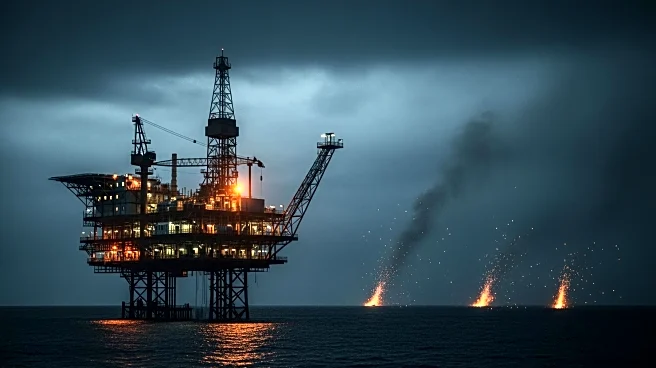
Iran has escalated its attacks on Gulf energy sites, with a recent drone strike targeting Kuwait's Mina Al-Ahmadi oil refinery. This attack, part of a broader conflict involving Iran, Israel, and the U.S., has further strained the global economy. The
refinery, capable of processing 730,000 barrels of oil per day, was already damaged in a previous attack. The ongoing conflict, now in its third week, shows no signs of abating, with Iran continuing its aggressive stance against the Gulf region's energy infrastructure.
Why It's Important?
The attacks on Gulf energy sites have significant implications for the global economy, particularly in terms of oil supply and prices. The Gulf region is a critical hub for energy production, and disruptions can lead to increased volatility in global markets. The conflict also highlights the geopolitical tensions in the Middle East, with potential repercussions for international relations and energy security. Stakeholders in the energy sector, as well as governments worldwide, are closely monitoring the situation to assess the impact on supply chains and economic stability.
What's Next?
As the conflict continues, further attacks on energy infrastructure could exacerbate the situation, leading to more severe economic consequences. The international community may seek diplomatic solutions to de-escalate tensions and stabilize the region. Additionally, countries dependent on Gulf oil may explore alternative energy sources or increase strategic reserves to mitigate potential supply disruptions. The response from major powers, including the U.S. and its allies, will be crucial in determining the conflict's trajectory and its impact on global energy markets.