







What's Happening?
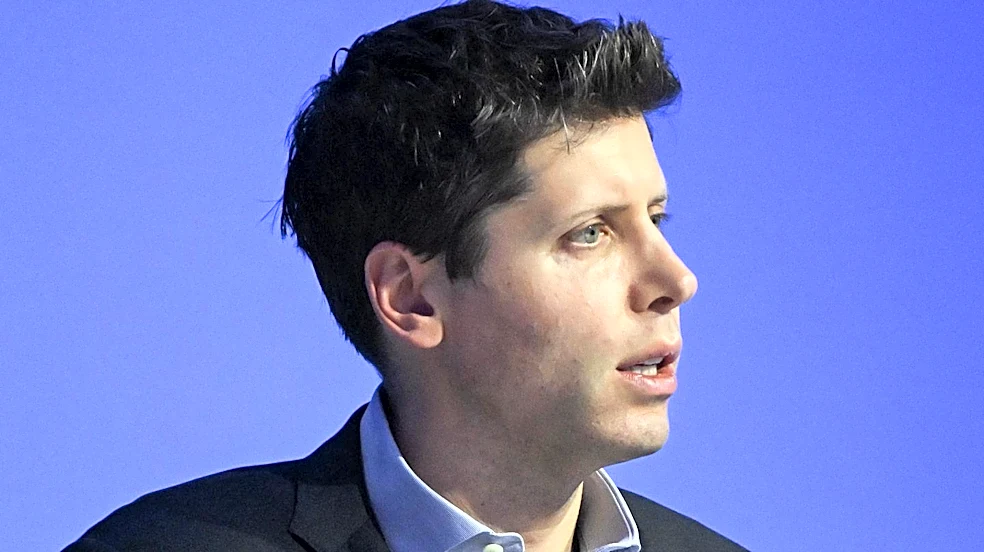
OpenAI CEO Sam Altman's statement in a Politico interview, suggesting that society should 'accept some bad things happening' due to AI for its benefits, has ignited significant public backlash and eroded trust in the AI industry. While Altman's full argument
distinguished between catastrophic risks (which he treats differently) and everyday harms as tolerable trade-offs for broad public access to AI, the clipped version of his quote led to widespread criticism. Critics argue that this stance implies an executive decision on behalf of the public regarding acceptable levels of risk without consent. Public sentiment, as indicated by Pew Research data, shows that approximately half of American adults are more concerned than excited about AI, a persistent trend that predates this controversy. Altman has acknowledged that parts of the industry are 'tone-deaf' to public concerns, indicating an awareness of the existing trust gap.
Why It's Important?
This incident highlights a critical tension between the rapid advancement of AI technology and public perception, trust, and ethical considerations. Altman's statement, even with its intended nuance, exposed a deep-seated public anxiety about who controls AI's development and who bears the costs of its potential negative impacts. The backlash underscores that the distribution of AI's benefits and harms is not perceived as equitable, with many feeling that risks are being imposed upon them without their consent. This erosion of trust can have significant implications for the future of AI adoption and regulation in the U.S. It could lead to increased demands for stricter governmental oversight, slower innovation due to public resistance, and challenges in integrating AI into various sectors. The incident also reveals a communication gap between tech leaders and the public, where abstract promises of future prosperity fail to address concrete, near-term concerns about job displacement, data privacy, and local infrastructure impacts.
What's Next?
The ongoing public scrutiny of Sam Altman's statements and the broader AI industry is likely to continue, pushing for greater transparency and accountability. AI companies may face increased pressure to articulate clearer strategies for mitigating risks and addressing societal concerns, rather than simply advocating for broad access. Policymakers are likely to leverage this public sentiment to push for more robust regulatory frameworks, potentially including mandates for impact assessments, ethical guidelines, and mechanisms for public input in AI development. The debate will also likely shift towards more specific, localized issues, such as the environmental impact of data centers and the need for protections for workers displaced by AI. For the AI industry, rebuilding public trust will require more than just acknowledging 'tone-deafness'; it will necessitate concrete actions and a more inclusive approach to development that considers the diverse experiences and concerns of all stakeholders.
Beyond the Headlines
The controversy surrounding Altman's remarks delves into a deeper societal question about the nature of progress and who defines its terms. The idea of 'accepting bad things' for technological advancement echoes historical debates where the costs of innovation were disproportionately borne by certain segments of society. This incident brings to the forefront the ethical dilemma of utilitarianism in technological development: whether the potential 'greater good' of AI justifies imposing risks on individuals or communities without their explicit consent. It also highlights the power dynamics at play, where a few influential tech leaders can shape narratives and potentially influence policy that affects millions. The public's reaction suggests a growing demand for a more democratic and inclusive approach to technological governance, where ethical considerations and human well-being are prioritized alongside innovation and economic growth. This ongoing dialogue will be crucial in shaping a future where AI is developed and deployed responsibly, aligning with societal values rather than solely driven by technological imperative.