
What's Happening?
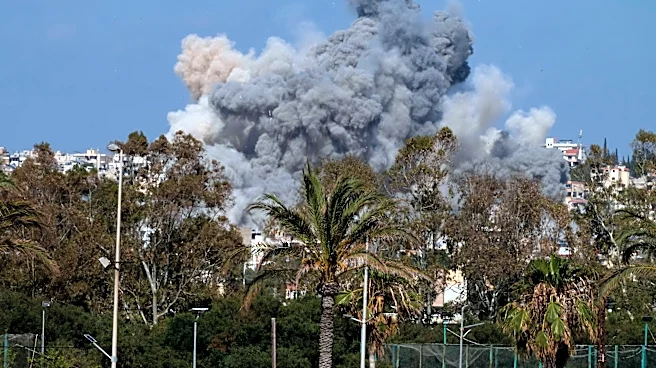
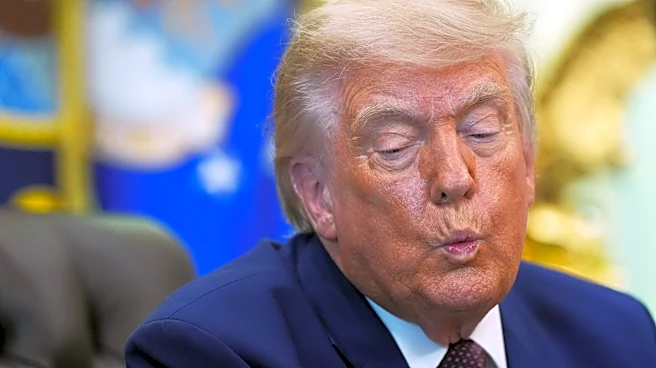
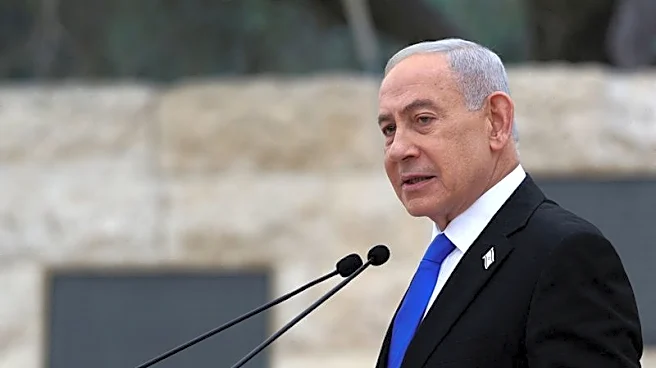
President Donald Trump confirmed reports of a heated exchange with Israeli Prime Minister Benjamin Netanyahu regarding Israeli military actions in Lebanon. During a phone call, Trump expressed his disapproval
of Israel's continued fighting with Hezbollah and threats to strike Beirut. He reportedly used strong language, questioning Netanyahu's actions and urging de-escalation. Despite the disagreement, Trump emphasized that relations between the U.S. and Israel remain strong, describing the call as 'very productive.' The exchange comes amid U.S. efforts to secure a broader settlement in the Middle East, with Trump reiterating the importance of keeping shipping routes through the Strait of Hormuz open and urging Iran to abandon nuclear ambitions.
Why It's Important?
The exchange between President Trump and Prime Minister Netanyahu highlights tensions in U.S.-Israel relations, particularly concerning military actions in Lebanon. This development is significant as it may impact ongoing efforts to stabilize the Middle East and revive negotiations with Iran. The U.S. has historically been a strong ally of Israel, and any discord could affect diplomatic strategies and regional alliances. Trump's intervention reflects concerns about escalating conflicts that could undermine broader peace initiatives. The situation also underscores the delicate balance the U.S. must maintain in supporting Israel while advocating for regional stability.
What's Next?
The future of U.S.-Israel relations may hinge on how both leaders navigate this disagreement. Potential next steps include diplomatic efforts to address the situation in Lebanon and continued negotiations with Iran. Stakeholders such as political leaders and international organizations may react to this development, influencing the geopolitical landscape. The U.S. may also reassess its approach to Middle Eastern policy, considering the implications of military actions on peace efforts. Observers will watch for any shifts in Trump's stance or further communications between the two leaders.
Beyond the Headlines
The exchange between Trump and Netanyahu may have deeper implications for U.S. foreign policy and its role in the Middle East. Ethical considerations arise regarding the use of strong language in diplomatic communications and the impact of personal relationships on international affairs. The situation may also reflect broader cultural and political dynamics, including the influence of historical ties and strategic interests. Long-term shifts could include changes in U.S. diplomatic strategies and the reevaluation of alliances in response to evolving regional challenges.