








What's Happening?
The Commission on Audit (COA) has criticized the Cebu Port Authority (CPA) for failing to formulate a Disaster Risk Reduction and Management Plan (DRRMP) for 2025, as mandated by Republic Act (RA) 10121, also known as the Philippine Disaster Risk Reduction and Management Act of
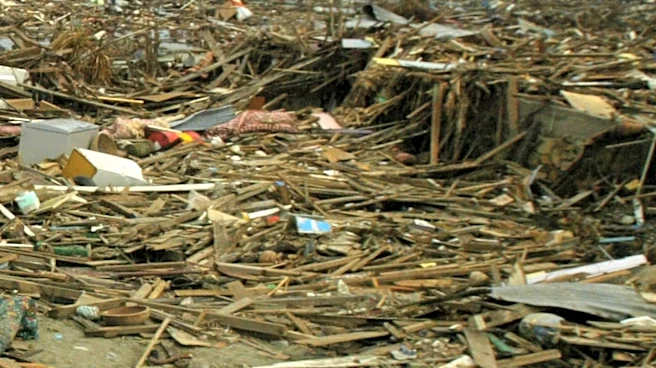
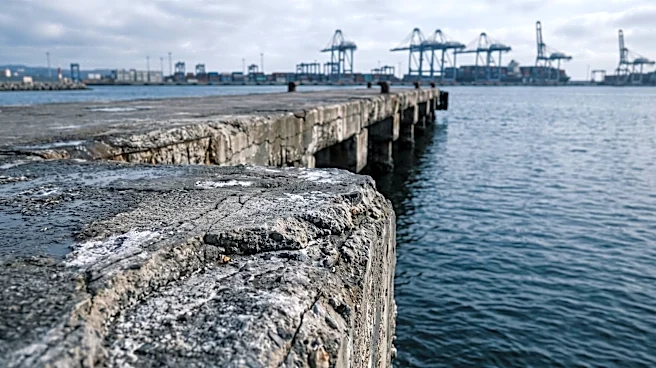
2010. The COA's audit report indicated that the CPA's 2025 corporate operating budget also lacked specific allocations for such a plan. This oversight comes after northern Cebu experienced a magnitude 6.9 earthquake on September 30, 2025, which severely damaged the CPA building at the Port of Hagnaya, and Typhoon Tino in November 2025, which further damaged port facilities. The COA emphasized that a DRRMP is crucial for guiding actions before, during, and after disasters, identifying gaps, and defining personnel roles to ensure readiness and capability to mitigate risks. The CPA management acknowledged its legal obligation and committed to coordinating with the Office of Civil Defense to implement COA's recommendations, citing a lack of formal templates and technical guidelines as a reason for the omission.
Why It's Important?
The absence of a comprehensive DRRMP for a critical infrastructure entity like the Cebu Port Authority poses significant risks to the region's economic stability and public safety. Ports are vital for trade, transportation, and humanitarian aid, especially in an archipelago prone to natural disasters. Without a clear plan, the CPA's ability to respond effectively to future calamities is compromised, potentially leading to prolonged operational disruptions, increased economic losses, and delayed recovery efforts. The COA's findings highlight a broader issue of compliance with national disaster preparedness laws among government-owned and controlled corporations (GOCCs). The financial implications are substantial, with the CPA already planning P545 million in port repair projects following the 2025 disasters. This situation underscores the necessity for robust disaster planning and funding to protect infrastructure, ensure continuity of services, and safeguard livelihoods in disaster-prone areas.
What's Next?
The Cebu Port Authority is expected to review its safety policies to comply with RA 10121 and the General Appropriations Act (GAA). The COA has recommended that the CPA's investment plan include the acquisition and maintenance of safety, emergency, and disaster-response equipment, with dedicated funds. CPA management has committed to implementing these recommendations and has begun coordinating with the Office of Civil Defense for training and workshops on its DRRMP. The audit team urged the CPA to expedite the adoption of the plan and integrate its programs into the agency’s planning and budgeting processes. Furthermore, the CPA is considering relocating three northern Cebu ports due to ground subsidence, with an engineering geological and geohazard assessment expected to be completed in November to determine the suitability of sites for reconstruction.
Beyond the Headlines
This situation reflects a critical challenge faced by many regions vulnerable to climate change and natural disasters: the gap between legislative mandates for disaster preparedness and their actual implementation. The CPA's explanation of lacking formal templates and technical guidelines points to a systemic issue that may affect other GOCCs, suggesting a need for clearer national-level guidance and support for disaster planning. The repeated damage to port facilities also highlights the increasing frequency and intensity of natural calamities, necessitating a proactive and adaptive approach to infrastructure development and maintenance. The relocation of ports, if pursued, would represent a significant long-term adaptation strategy, but also carries substantial economic and logistical implications, requiring careful planning and community engagement to ensure equitable outcomes and sustainable development.