




What's Happening?
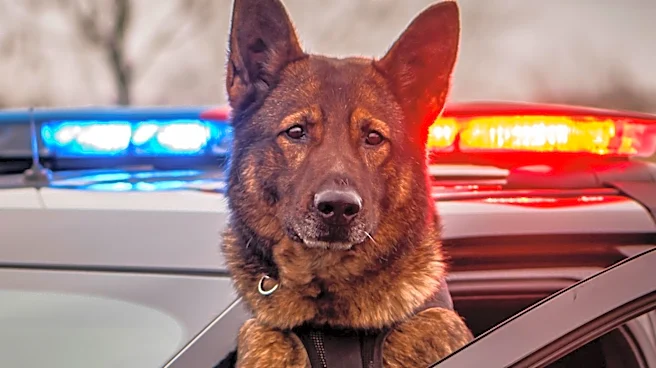
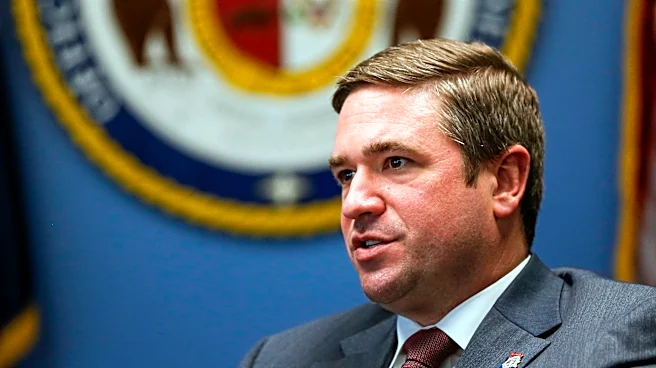
U.S. Representative Juan Ciscomani recently visited the Tucson Police Department’s Rillito Police Station to observe an ATF explosives-detection demonstration involving a K-9 named Kali. The demonstration showcased the vital role of highly trained K-9s
in assisting federal and local agencies with detecting explosives and narcotics, thereby enhancing public safety in Southern Arizona. Representative Ciscomani emphasized the importance of the partnership between federal and local law enforcement agencies in addressing threats and keeping communities safe. He highlighted the tools available to law enforcement officers for intercepting explosives and drugs across the country. Earlier this year, Representative Ciscomani supported $1.3 billion in funding for the ATF through the FY27 Commerce, Justice, and Science Appropriations bill. This funding is intended to provide critical resources for the agency’s operations, including K-9 training programs, personnel, and support for both federal and local law enforcement. Additionally, he has been a vocal supporter of H.R. 2605, the bipartisan Service Dogs Assisting Veterans (SAVES) Act, which aims to expand access to service dogs for veterans with PTSD, traumatic brain injuries, and other service-related conditions.
Why It's Important?
This event underscores the critical importance of inter-agency cooperation and federal funding in bolstering public safety and national security efforts. The demonstration of ATF K-9 operations highlights a key component of law enforcement's strategy to combat violent crime, drug trafficking, and the illegal use of explosives. Federal support, as championed by Representative Ciscomani through the $1.3 billion appropriation for the ATF, ensures that local law enforcement agencies have access to advanced tools, training, and personnel necessary to effectively protect communities. This collaboration is vital for addressing complex criminal activities that often transcend local jurisdictions. Furthermore, Representative Ciscomani's support for the SAVES Act demonstrates a commitment to the well-being of U.S. veterans, recognizing the therapeutic and practical benefits of service dogs for those suffering from service-related conditions. This legislative effort not only provides direct support to veterans but also acknowledges the broader societal responsibility to care for those who have served. The combined focus on public safety and veteran support reflects a comprehensive approach to community welfare and national responsibility.
What's Next?
The continued emphasis on federal-local cooperation in law enforcement, as highlighted by Representative Ciscomani, suggests ongoing efforts to strengthen these partnerships. Future initiatives may include further funding allocations for K-9 programs, advanced training for law enforcement personnel, and enhanced intelligence sharing between federal and local agencies. The progress of the bipartisan Service Dogs Assisting Veterans (SAVES) Act, which Representative Ciscomani supports, will be closely watched. If enacted, this legislation could significantly expand access to service dogs for veterans, leading to improved mental and physical health outcomes for a vulnerable population. Stakeholders, including law enforcement agencies, veteran advocacy groups, and community organizations, will likely continue to advocate for sustained federal support and collaborative efforts to address public safety concerns and veteran needs. The success of these programs could serve as a model for other regions facing similar challenges, potentially influencing national policy on law enforcement funding and veteran support services.
Beyond the Headlines
The visit to the ATF K-9 demonstration and Representative Ciscomani's advocacy for related legislation reveal deeper societal values concerning security, service, and rehabilitation. The use of K-9 units symbolizes the innovative and often unsung methods employed in modern law enforcement, blending animal capabilities with human expertise to create effective deterrents against crime. This also touches upon the ethical considerations of animal welfare within working roles and the specialized training required for these animals. Moreover, the support for the SAVES Act reflects a growing recognition of the invisible wounds of war and the importance of holistic care for veterans. It highlights a shift towards non-pharmacological interventions for conditions like PTSD and traumatic brain injuries, acknowledging the profound impact of companion animals on mental health. This legislative push could also stimulate further research into animal-assisted therapy and its broader applications in healthcare. Ultimately, these actions contribute to a national dialogue about how society protects its citizens and cares for those who have sacrificed for the country, intertwining themes of public safety, veteran welfare, and the evolving role of technology and therapy in addressing complex social issues.