

What's Happening?
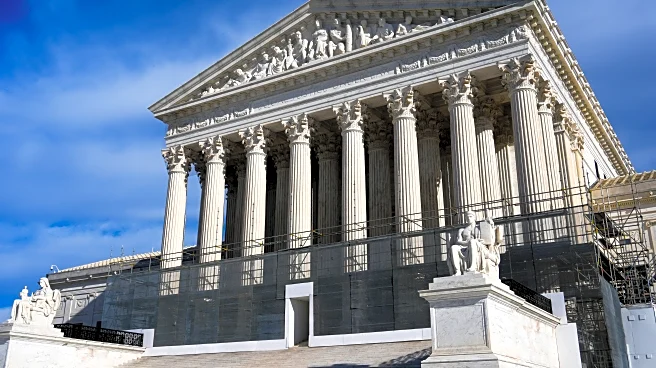
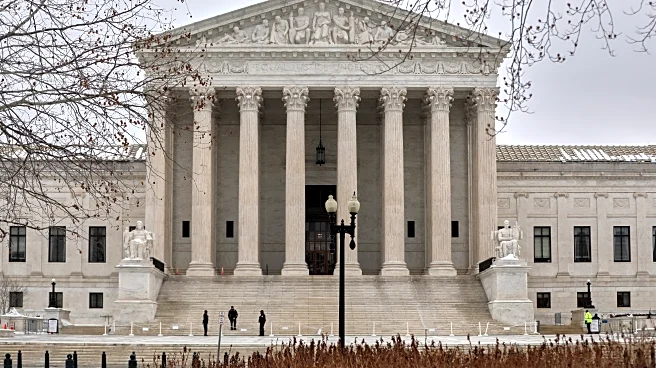
The Supreme Court has ruled in a 6-3 decision that President Trump does not have the authority under the International Emergency Economic Powers Act (IEEPA) to impose tariffs on imports without congressional approval. This decision comes after Trump attempted
to use IEEPA to justify tariffs imposed on various countries, citing trade deficits and other issues. The Court's ruling emphasizes the constitutional separation of powers, stating that the authority to impose tariffs is reserved for Congress, not the executive branch.
Why It's Important?
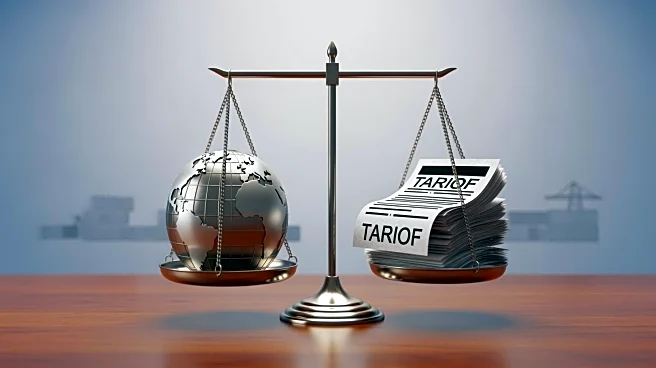
This ruling is significant as it reinforces the constitutional principle of separation of powers, ensuring that the executive branch cannot unilaterally impose tariffs without legislative approval. The decision protects American consumers and businesses from potentially harmful economic policies that could have resulted in increased costs and trade tensions. By curbing the president's tariff authority, the ruling also prevents the potential for abuse of power and ensures that major economic decisions remain subject to congressional oversight.
What's Next?
Following the ruling, there may be attempts to reimpose tariffs using other legislative statutes, but these would face legal challenges and require adherence to specific procedural requirements. The decision sets a precedent that could influence future cases involving executive authority over economic matters. Additionally, businesses affected by the tariffs may seek compensation for the economic impact they have already experienced.