




What's Happening?
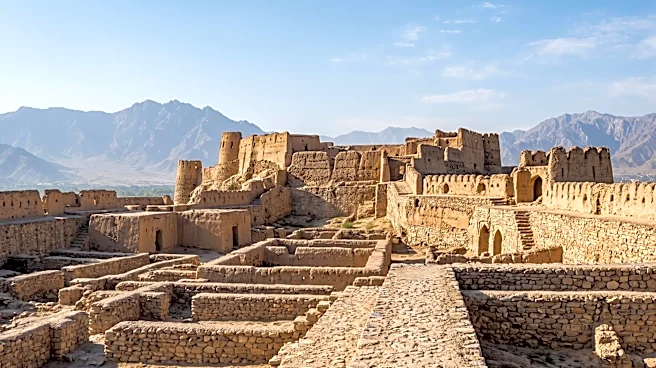
An archaeological complex at Horvat Burgin in Adullam–France Park, Israel, has been reopened to the public following extensive excavation, conservation, and development work. The site features an ancient Byzantine church with colorful mosaic floors and a monastic
complex, alongside underground tunnels used by Jewish rebels during the Bar Kokhba revolt (132-136 CE). These tunnels were carved into the bedrock by the inhabitants of a large Second Temple settlement, believed to be Kfar Bish, in preparation for conflict with the Romans. The settlement was eventually besieged and destroyed by the Romans. Later, a pagan population settled there, and during the Byzantine period, the church and monastic complex were built. The reopening is a joint effort by Keren Kayemeth LeIsrael–Jewish National Fund (KKL-JNF), the Israel Antiquities Authority (IAA), and the Mateh Yehuda Regional Council, aimed at safeguarding the site from antiquities looting and making it accessible for tourism and education.
Why It's Important?
The reopening of Horvat Burgin is significant for several reasons. It provides a tangible link to ancient Jewish history, particularly the Bar Kokhba revolt, a pivotal moment in the struggle for Jewish independence. The site also showcases the layered history of the region, with evidence of Roman, pagan, and Byzantine periods. For Israel, preserving and opening such sites reinforces national identity and cultural heritage, connecting the present generation to its deep historical roots. The collaborative effort between governmental and non-governmental organizations highlights a commitment to protecting archaeological treasures from looting, a persistent problem in many historical regions. Furthermore, developing the site for tourism aims to boost the local economy and strengthen regional tourism, offering both educational and recreational opportunities for visitors.
What's Next?
The joint efforts by KKL-JNF, IAA, and the Mateh Yehuda Regional Council are expected to continue, focusing on the ongoing preservation of the site and its integration into broader tourism initiatives. The goal is to make Horvat Burgin a vibrant and welcoming destination for families and visitors, fostering a deeper connection to the land's history. Future plans may include further archaeological research, educational programs, and improved visitor infrastructure to enhance the experience. The success of this project could serve as a model for similar collaborations in other archaeological sites across Israel, emphasizing the importance of public access and engagement in heritage preservation. The continued monitoring and protection against looting will remain a priority to ensure the long-term integrity of the site.
Beyond the Headlines
The narrative of Horvat Burgin extends beyond its archaeological significance, touching upon themes of resilience, cultural continuity, and the enduring human connection to land. The tunnels, carved in anticipation of conflict, symbolize a people's determination to resist oppression, while the subsequent layers of settlement reflect the ebb and flow of civilizations. The site's transformation from a looted area to a protected public attraction underscores the ethical imperative of heritage preservation and the role of community involvement in safeguarding historical memory. The blend of religious, military, and daily life artifacts offers a rich tapestry for understanding ancient societies. Moreover, the project highlights the delicate balance between archaeological research, conservation, and making history accessible to a wider audience, ensuring that these ancient stories continue to resonate in the modern world.