






What's Happening?
Sedona, Arizona, has gained recognition as a prime location for stargazing, largely due to its distance from the significant light pollution of larger cities like Phoenix. The area offers exceptionally clear night skies, allowing residents and visitors
to observe celestial bodies with remarkable clarity. While the monsoon season in July and August can occasionally obscure views due to storms, the rest of the year provides ideal conditions for stargazing. Popular spots for this activity include Beaverhead Flat Scenic Overlook, Dry Creek Road, Aerie Trailhead, and Fay Canyon. These locations are chosen for their remoteness from city lights, offering dark environments suitable for astronomical observation. Visitors are advised to bring essentials like blankets, flashlights, insect repellent, and warm clothing, as desert nights can be cold.
Why It's Important?
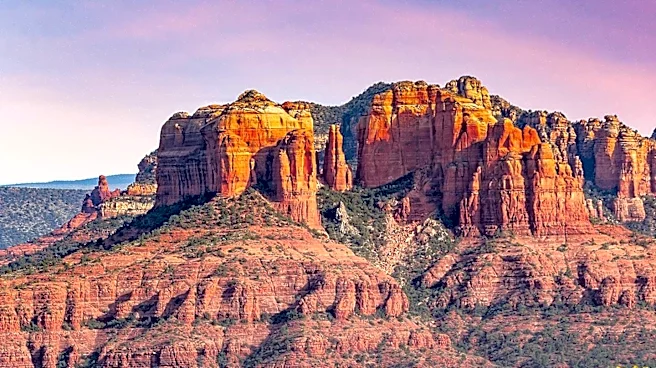
Sedona's status as a top stargazing destination significantly enhances its appeal as a tourist location, diversifying its offerings beyond its renowned red rock formations. This unique attraction draws a specific segment of tourists interested in astrotourism, contributing to the local economy through increased visitation and demand for related services. The preservation of dark skies in Sedona highlights a growing national interest in combating light pollution, which has ecological implications for nocturnal wildlife and human health, in addition to its impact on astronomical observation. This focus on natural, unadulterated experiences aligns with broader trends in sustainable tourism and environmental conservation, positioning Sedona as a leader in offering unique, low-impact recreational activities.
What's Next?
To maintain its reputation as a premier stargazing destination, Sedona will likely continue to implement and enforce light pollution ordinances. Local businesses and tourism organizations may develop specialized stargazing tours and educational programs to cater to the growing interest in astrotourism. There could be further investment in infrastructure at designated stargazing spots, such as improved parking and safety measures, without compromising the dark sky environment. Additionally, community awareness campaigns might be launched to educate residents and businesses about the importance of minimizing light pollution. These efforts will ensure that Sedona remains an attractive location for both amateur and professional astronomers, further solidifying its economic and environmental standing.
Beyond the Headlines
The emphasis on stargazing in Sedona reflects a broader societal trend towards reconnecting with nature and seeking experiences that offer a respite from urban environments. In an increasingly digitized world, the opportunity to observe the cosmos without artificial light interference provides a unique form of mental and spiritual rejuvenation. This pursuit also underscores the scientific importance of dark skies for astronomical research and education. The challenge lies in balancing economic development, which often brings increased light, with the preservation of natural darkness. Sedona's success in this area could serve as a model for other communities looking to leverage their natural assets while promoting environmental stewardship and a high quality of life for both residents and visitors.