





What's Happening?
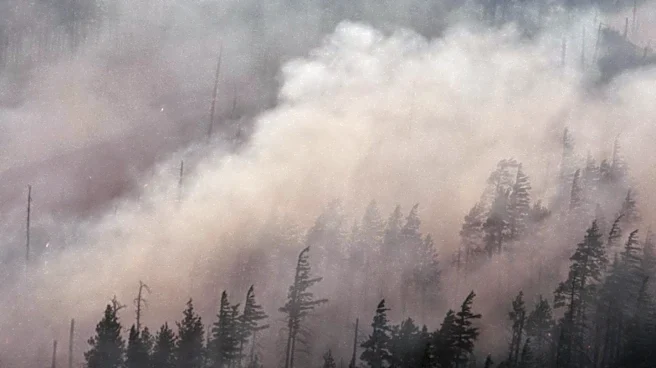
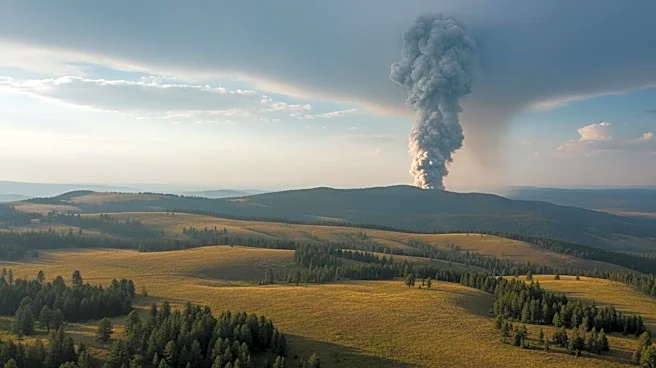
The Deer Creek Fire, located approximately 6 miles north of Happy’s Inn in the Pleasant Valley area of Lincoln County, Montana, has grown to an estimated 600 acres. The wildfire, burning in timber, was initially reported around 1:15 p.m. on Thursday.
In response, a large contingent of initial attack resources was deployed, including six engines, two Type 2 helicopters, one Type 1 helicopter, and an air attack platform. Additionally, an excavator and logging equipment are being utilized, and large and very large airtankers are operating in the vicinity to aid in suppression efforts. The cause of the fire is currently under investigation. Officials have requested that the public avoid the Pleasant Valley area to ensure emergency access for responders and have advised residents and visitors to expect visible smoke and increased aircraft activity throughout the evening.
Why It's Important?
The rapid growth of the Deer Creek Fire to 600 acres underscores the persistent threat of wildfires in timber-rich regions of the U.S., particularly during dry conditions. This incident highlights the significant resources required for initial attack and containment, involving multiple ground crews, various types of aircraft, and heavy equipment. The fire's proximity to Happy's Inn and the Pleasant Valley area raises concerns for local communities, potentially threatening structures, natural resources, and air quality. The need for public avoidance of the area also disrupts local activities and travel. The ongoing investigation into the fire's cause is crucial for understanding ignition patterns and implementing preventative measures in the future. The extensive response demonstrates the coordinated effort by fire management agencies to protect lives, property, and ecosystems from the destructive impacts of wildfires.
What's Next?
Firefighting crews and aircraft will continue their efforts to suppress the Deer Creek Fire. The focus will likely remain on containment strategies, including establishing fire lines and utilizing aerial drops to cool hot spots and slow the spread. As the cause is under investigation, authorities will work to determine how the fire started, which could inform future prevention campaigns or policy changes. Residents in and around the Pleasant Valley area should remain vigilant for updates from local authorities regarding evacuation alerts or orders, and be prepared for continued smoke and increased air traffic. The duration and intensity of the fire will depend on weather conditions, fuel availability, and the effectiveness of suppression tactics. Post-fire, there will be efforts to assess damage, rehabilitate affected areas, and implement measures to prevent future ignitions.
Beyond the Headlines
The Deer Creek Fire is part of a broader pattern of increasing wildfire activity across the Western U.S., driven by factors such as climate change, prolonged droughts, and forest management practices. This incident highlights the ecological and economic costs associated with these fires, including habitat destruction, air pollution, and the immense financial burden of suppression efforts. The use of logging equipment in the response suggests a strategy that may involve creating fuel breaks, reflecting ongoing debates about the role of active forest management in mitigating wildfire risks. The fire also brings into focus the resilience of rural communities and the critical role of emergency services in protecting them. Long-term, such events prompt discussions about sustainable land use, climate adaptation strategies, and the need for comprehensive approaches to wildfire prevention and response that integrate ecological science with community safety.