
What's Happening?
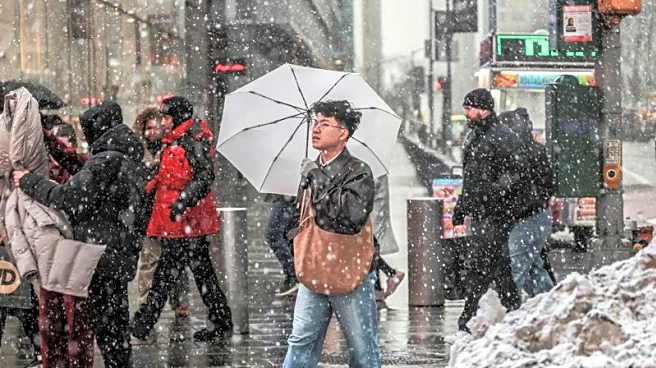
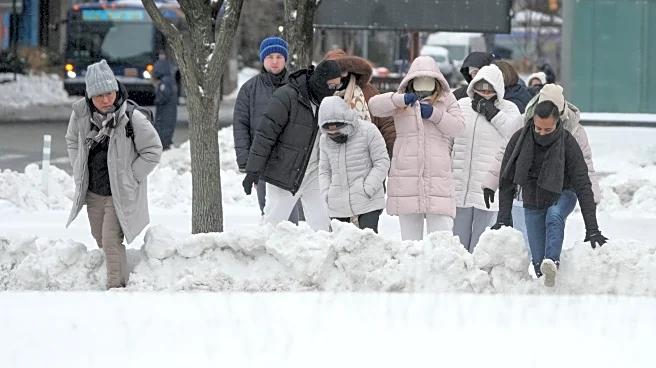
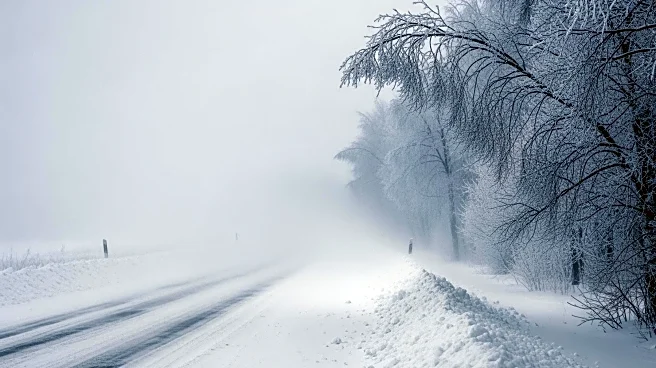
A historic blizzard swept through New England, particularly affecting Massachusetts and Rhode Island, with snowfall totals exceeding three feet in some areas. The storm, which occurred on Monday, led to widespread power outages, with over 250,000 customers
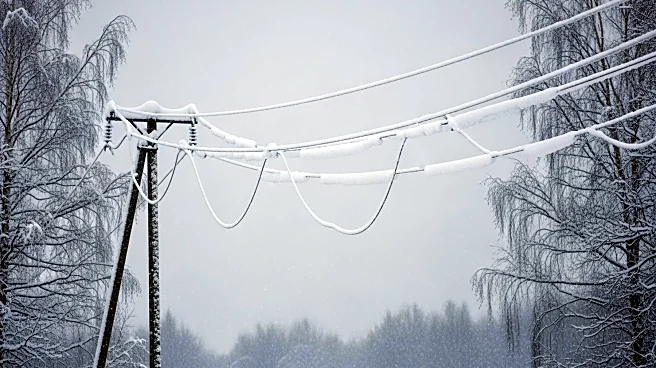
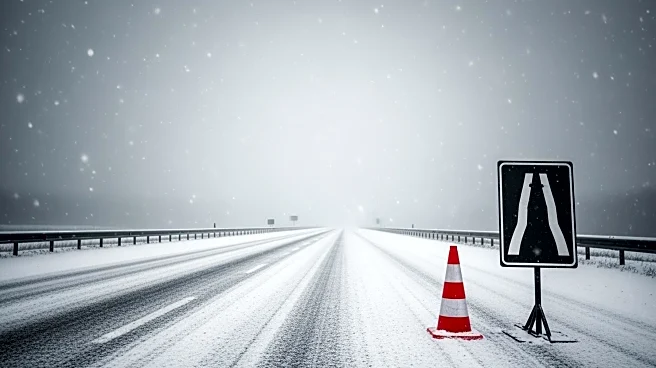
in Massachusetts still without electricity as of Tuesday morning. The Massachusetts Emergency Management Agency reported that 253,972 customers were affected by the outages. The blizzard, characterized by high winds and heavy snow, caused significant disruptions, shutting down streets, schools, and businesses across the region. In Rhode Island, snowfall totals reached 37.9 inches at T.F. Green Airport, while Pawtucket recorded 32 inches. The storm's impact was severe, with many areas experiencing downed trees and power lines, leading to prolonged power restoration efforts.
Why It's Important?
The blizzard's impact on New England highlights the region's vulnerability to severe winter weather and the challenges it poses to infrastructure and emergency services. The extensive power outages affect not only residential customers but also critical services and businesses, potentially leading to economic losses. The storm underscores the importance of preparedness and resilience in the face of extreme weather events, which are becoming more frequent and intense. The response from utility companies and emergency services is crucial in mitigating the storm's effects and restoring normalcy. Additionally, the storm's timing, following closely on the heels of previous snow events, exacerbates the strain on resources and recovery efforts.
What's Next?
Efforts to restore power and clear roads are ongoing, with utility companies bringing in additional crews and equipment to expedite the process. The Massachusetts Emergency Management Agency and local authorities are coordinating the response, prioritizing the restoration of power to critical facilities and densely populated areas. Residents are advised to remain cautious and avoid unnecessary travel to facilitate cleanup operations. The storm's aftermath may prompt discussions on improving infrastructure resilience and emergency response strategies to better handle future extreme weather events.