
What's Happening?
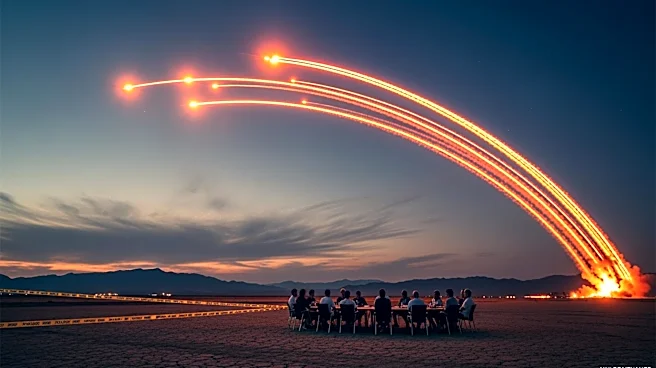
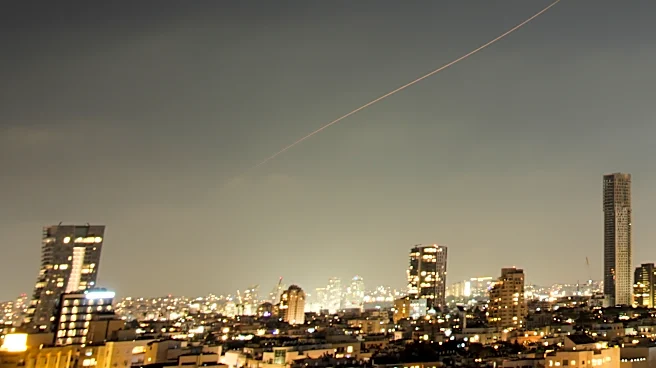
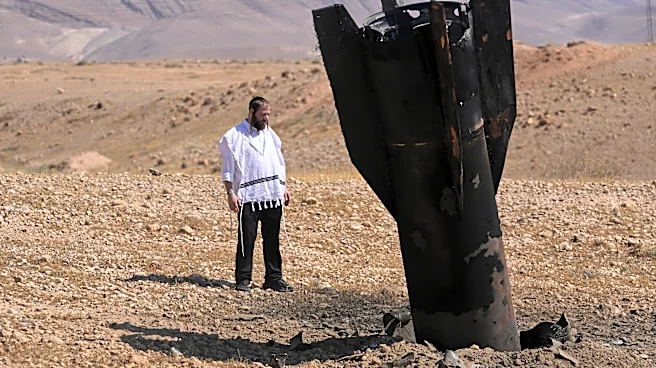
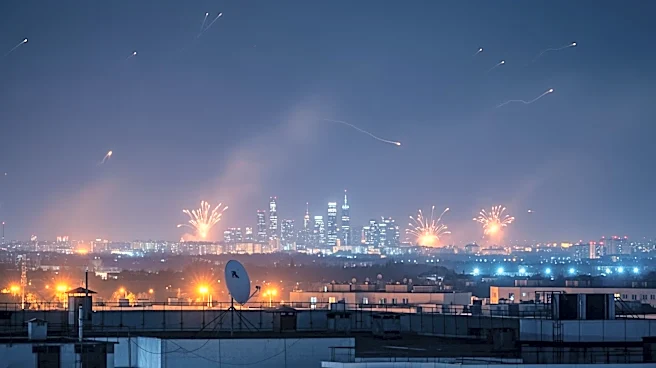
Iran has issued a warning of a wider regional escalation following Israeli airstrikes on Beirut and subsequent Iranian missile retaliation. The Islamic Revolutionary Guard Corps (IRGC) launched missiles
towards northern Israel in response to Israeli attacks on civilian targets and oil industries in Iran. The IRGC's statement, broadcasted by Iranian media, accused Israel of starting a 'dangerous game' and warned of the potential global economic consequences. The recent exchanges mark the first significant military engagement since a fragile ceasefire was reached in April, which has since stalled due to disputes over its implementation.
Why It's Important?
The renewed hostilities between Iran and Israel threaten to destabilize the already volatile Middle East region. The involvement of key strategic locations, such as the Strait of Hormuz, highlights the potential for significant disruptions to global oil supplies and economic stability. The IRGC's warning of broader consequences underscores the risk of the conflict escalating beyond the immediate region, potentially drawing in other countries and affecting international relations. The situation also reflects the ongoing geopolitical tensions involving major powers like the US, which could have far-reaching implications for global security.
What's Next?
The potential for further military engagements remains high, with both Iran and Israel showing no signs of backing down. Diplomatic efforts may be necessary to prevent a full-scale conflict and address the underlying issues, such as Iran's nuclear ambitions and regional influence. The international community, particularly countries with vested interests in Middle Eastern stability, will likely push for negotiations to restore the ceasefire and prevent further escalation. Monitoring the situation closely will be crucial for stakeholders to respond effectively to any developments.