





What's Happening?
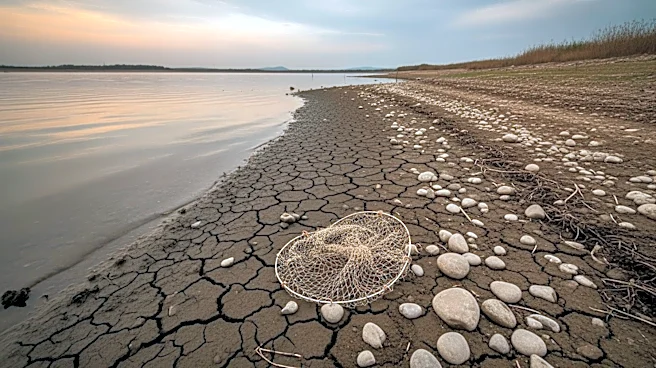
The recent mass fish die-off at Arizona's San Carlos Lake has raised significant concerns among scientists and environmental experts about the health of U.S. lakes. The incident, attributed to prolonged drought and rapid water releases, resulted in the death
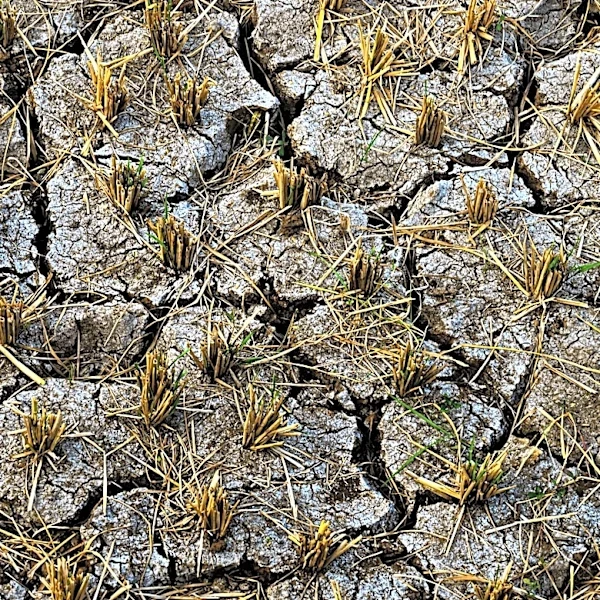
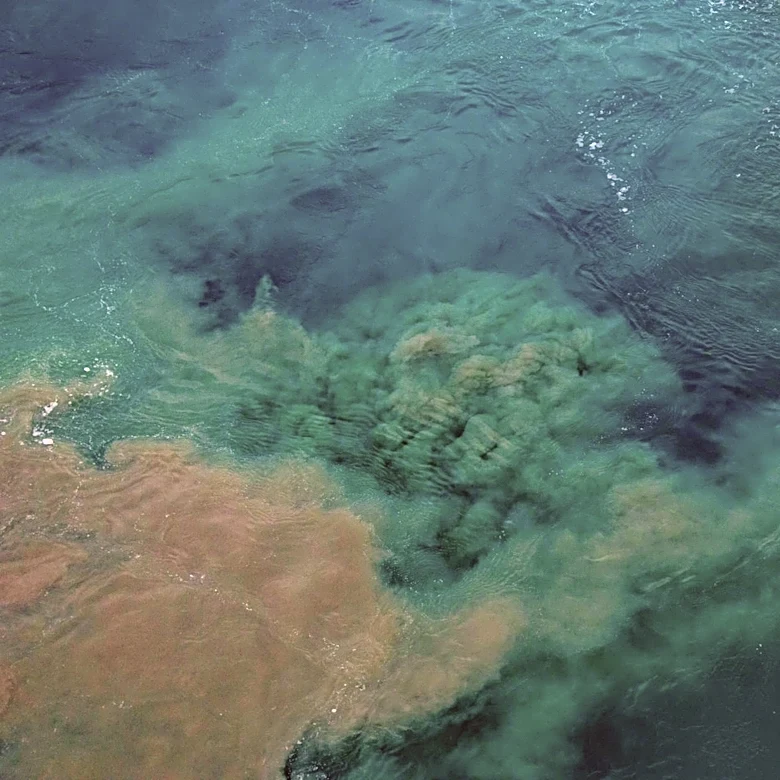
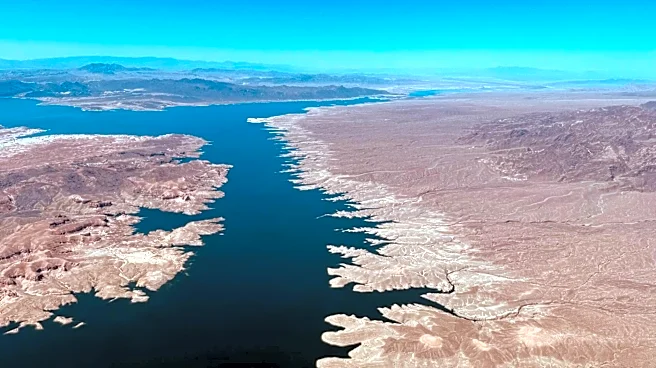
of nearly all fish in the lake. This event underscores a broader issue affecting many U.S. water systems, where low water levels, rising temperatures, and oxygen depletion are becoming increasingly common. The Colorado River system, including Lake Mead and Lake Powell, is under severe strain, with forecasts indicating potential record low water levels by 2027. These conditions could lead to harmful algal blooms and further ecological stress. Similarly, the Great Salt Lake in Utah is nearing ecological collapse due to rising salinity and water loss, posing risks to local ecosystems and communities.
Why It's Important?
The implications of these environmental challenges extend beyond local ecosystems, potentially affecting water supply for millions of people across the Western United States. The Colorado River system, which supports about 40 million people, is particularly vulnerable. If water levels continue to drop, it could lead to large-scale disruptions in water delivery systems. Additionally, the ecological health of these lakes is crucial for maintaining biodiversity and supporting local economies that rely on fishing and tourism. The situation at the Great Salt Lake also highlights the risk of toxic dust storms, which could impact air quality and public health in nearby communities.
What's Next?
Efforts to address these challenges will likely involve a combination of policy measures and technological solutions aimed at improving water management and reducing pollution. Stakeholders, including government agencies, environmental groups, and local communities, will need to collaborate to develop sustainable strategies. Monitoring and research will be essential to understand the evolving conditions and to implement effective interventions. The situation calls for urgent action to prevent further ecological damage and to secure water resources for future generations.
Beyond the Headlines
The ongoing environmental stress on U.S. lakes raises important questions about the long-term sustainability of water resources in the face of climate change. It also highlights the need for comprehensive water management policies that consider the interconnectedness of ecosystems and human activities. The potential for increased frequency of fish kills and algal blooms could have lasting impacts on biodiversity and the health of aquatic ecosystems. Addressing these issues will require a shift towards more resilient and adaptive management practices.