


What's Happening?
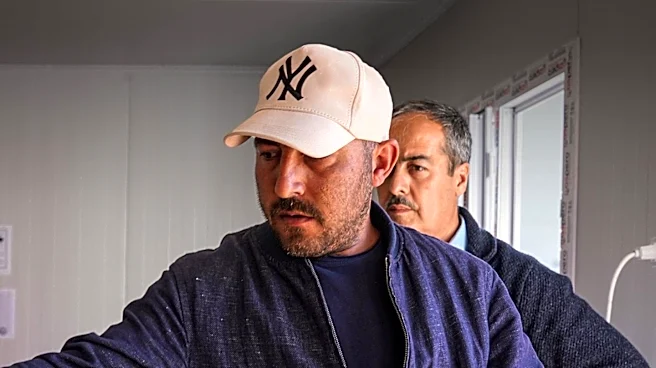
Richard Tice, the deputy leader of Reform UK, has been accused of employing 'nasty tactics' to intimidate journalists following a legal threat issued to The Guardian. The controversy stems from The Guardian's investigation into Tice's financial transactions,
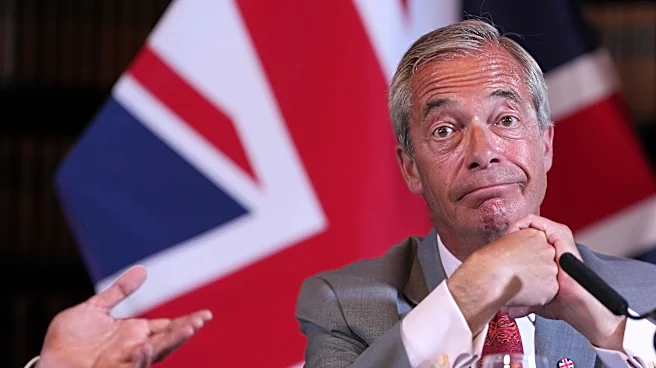
which were reported to the National Crime Agency (NCA) over concerns of potential money laundering. Tice's legal action seeks to force The Guardian to disclose documents that could reveal the identities of its sources. This move has been widely criticized by figures such as John Whittingdale, a former Conservative culture secretary, and Margaret Hodge, an anti-corruption campaigner, who argue that it undermines the principle of press freedom. The Guardian has reported that Tice and Reform UK leader Nigel Farage have been under scrutiny for receiving significant undisclosed donations, raising questions about the transparency of their financial dealings.
Why It's Important?
The legal threat by Richard Tice against The Guardian highlights significant concerns about press freedom and the protection of journalistic sources. The ability of journalists to report on matters of public interest without fear of legal repercussions is a cornerstone of democratic societies. This case underscores the tension between powerful individuals seeking to protect their interests and the media's role in holding them accountable. The outcome of this legal battle could set a precedent for how similar cases are handled in the future, potentially impacting the media's ability to investigate and report on financial and political matters. The situation also raises broader questions about the influence of wealth in silencing critical journalism and the need for legal reforms to protect investigative reporting.
What's Next?
The Guardian has stated its intention to resist the legal threats and continue its investigations into the financial affairs of Richard Tice and Nigel Farage. The case may proceed to court, where the principles of press freedom and source protection will be tested. Observers will be watching closely to see how the legal system balances the rights of individuals to protect their reputations with the media's role in ensuring transparency and accountability. The outcome could influence future interactions between the press and public figures, particularly in cases involving financial scrutiny.
Beyond the Headlines
This case highlights the ethical challenges faced by journalists in protecting their sources while reporting on sensitive issues. It also raises questions about the use of legal systems by powerful individuals to potentially suppress critical reporting. The broader implications for media freedom and the public's right to know are significant, as they touch on the fundamental principles of transparency and accountability in democratic societies. The situation may prompt discussions about the need for stronger legal protections for journalists and their sources.