







What's Happening?
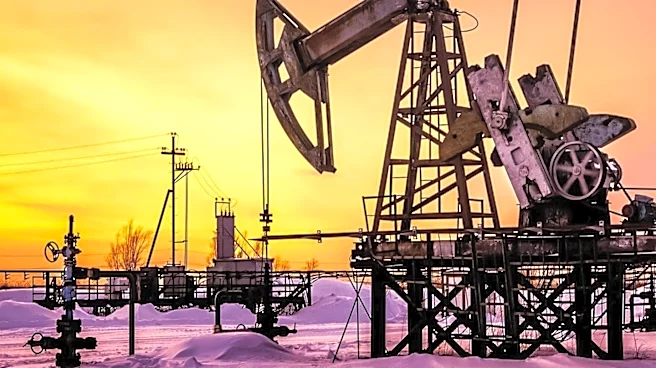
Israel's State Comptroller Matanyahu Englman has issued a warning that the country's energy independence could be compromised within 22 years if current management practices of natural gas reserves are not reformed. The report criticizes the Energy Ministry
for failing to keep pace with rising electricity demand driven by population growth, climate pressures, and the expansion of energy-intensive data centers. The report highlights the lack of a master plan for the energy sector and inadequate natural gas storage capacity. It also points out the concentration and structural failures in the natural gas and LPG markets. The Energy Ministry has been urged to update electricity demand forecasts, establish storage and import infrastructure, and reassess export policies.
Why It's Important?
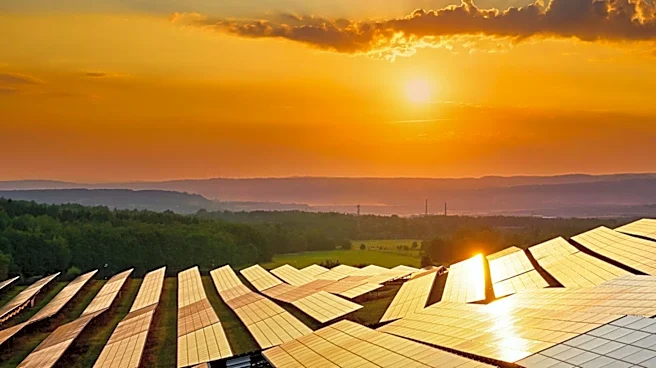
The potential loss of energy independence poses significant risks to Israel's national security and economic stability. As natural gas reserves are a critical component of Israel's energy supply, mismanagement could lead to increased reliance on imports, making the country vulnerable to geopolitical and market fluctuations. The report's findings underscore the need for strategic planning and investment in renewable energy sources to ensure long-term energy security. The Energy Ministry's response, which includes plans to increase green energy production and promote additional exploration, indicates a shift towards more sustainable energy practices. However, the effectiveness of these measures will depend on timely implementation and coordination with other stakeholders.
What's Next?
The Energy Ministry is expected to publish the Dayan Committee's recommendations in the coming weeks, which could influence future energy policies. The ministry's plans to increase green energy production to 35% by 2035 and promote new drilling projects are steps towards diversifying Israel's energy portfolio. The competitive process for awarding exploration licenses, involving companies like BP and SOCAR, is anticipated to begin in September. These developments will be closely watched by industry experts, policymakers, and environmental groups, as they could shape the future of Israel's energy landscape and its role in the global energy market.