


What's Happening?
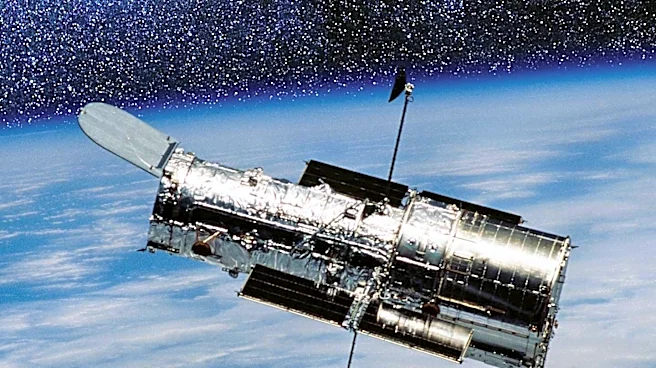
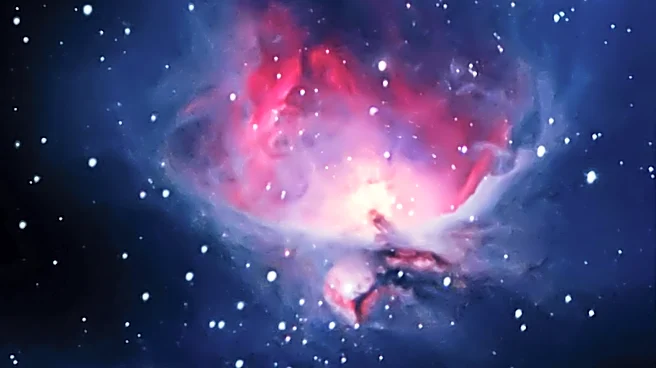
NASA has released a new series of photographs of the Cat's Head Nebula, captured by both the Hubble Space Telescope and the James Webb Space Telescope. These images showcase a colorful, feline-shaped cloud located approximately 7,500 light-years from
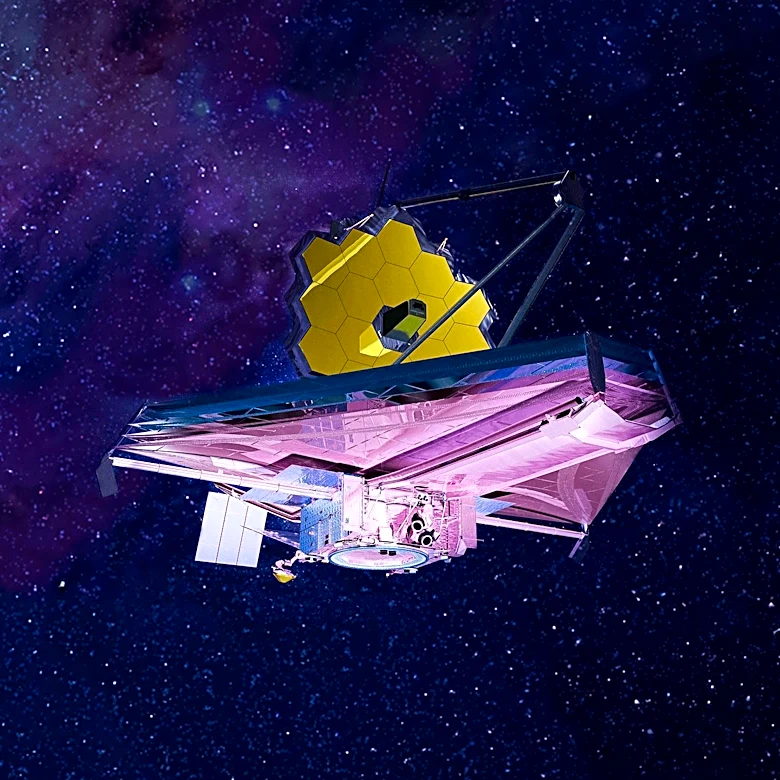
Earth, which is an active region of star formation. The nebula gets its nickname from its resemblance to a seated cat, including a glowing red 'eye' that is likely a young star still enveloped in dust. The combined data from both telescopes provides researchers with a variety of colors and insights into the processes of star formation. The Hubble Space Telescope's visible light photographs show scattered starlight and light emitted from oxygen, hydrogen, and sulfur, with color variations indicating gas excitation, dust absorption, and illumination. The James Webb Space Telescope's near-infrared and mid-infrared views allow scientists to see through some of the dust, revealing more of the nebula's structure and what lies within and behind the dust cloud, including what is believed to be an infant star.
Why It's Important?
The release of these detailed photographs of the Cat's Head Nebula is significant for advancing the understanding of star formation, a fundamental process in astrophysics. By studying this particular region, researchers gain additional insights into how stars are born and evolve. The use of both the Hubble and James Webb Space Telescopes provides a multi-wavelength perspective, offering a more comprehensive view than either telescope could achieve alone. This combined data allows scientists to analyze different aspects of the nebula, from visible light emissions to infrared penetration of dust, which is crucial for understanding the early stages of stellar development. The findings contribute to the broader scientific effort to map the universe's evolution and the life cycles of celestial bodies, impacting theoretical models and future observational strategies in astronomy.
What's Next?
Researchers will continue to analyze the data from these new photographs to refine their understanding of star formation processes within the Cat's Head Nebula. The insights gained from studying the different wavelengths captured by the Hubble and James Webb Space Telescopes will likely lead to new scientific papers and discussions within the astronomical community. While the Cat's Head appearance is temporary and the nebula will evolve, ongoing observations with advanced telescopes will continue to monitor such dynamic regions. Future missions and technological advancements in space-based observatories are expected to provide even more detailed views, further enhancing our knowledge of stellar nurseries and the origins of stars.
Beyond the Headlines
The aesthetic appeal of these images, particularly the 'cat-like' shape, serves to engage the public with scientific discovery, fostering a greater appreciation for space exploration and astronomy. Beyond their scientific value, such photographs highlight the capabilities of advanced space telescopes like Hubble and James Webb, which represent significant investments in scientific infrastructure. The ability to observe distant phenomena with such clarity pushes the boundaries of human knowledge and technology. These discoveries also underscore the dynamic nature of the universe, where celestial structures are constantly changing and evolving over vast timescales, offering a profound perspective on our place within the cosmos.