







What's Happening?
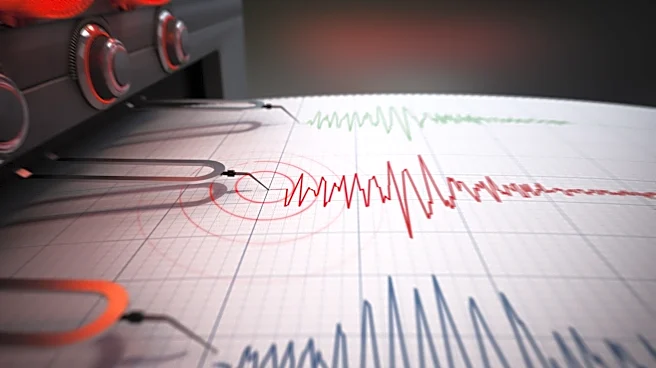
A magnitude 4.1 earthquake occurred near Las Vegas, Nevada, as reported by the U.S. Geological Survey (USGS). The seismic event was centered in Summerlin South, a community on the western edge of Las Vegas, and took place at a shallow depth of approximately
6 kilometers. This earthquake is noted as the strongest seismic event recorded in Nevada on that day. Despite the moderate intensity of the tremor, there have been no immediate reports of damage or injuries. Nevada is recognized as one of the most seismically active states in the United States, with frequent minor earthquakes due to regional fault systems, although stronger events are less common.
Why It's Important?
The occurrence of a 4.1 magnitude earthquake near a major urban area like Las Vegas highlights the ongoing seismic activity in Nevada, a state known for its geological volatility. While this particular event did not result in damage or injuries, it serves as a reminder of the potential risks associated with living in seismically active regions. The lack of immediate damage is fortunate, but the event underscores the importance of preparedness and infrastructure resilience in areas prone to earthquakes. For residents and local authorities, it is a prompt to review emergency response plans and ensure that buildings and infrastructure are equipped to handle potential future seismic events.
What's Next?
As this is a breaking news event, further updates from the USGS and local authorities may provide more detailed assessments of the earthquake's impact. Residents in the affected area might expect aftershocks, which are common following an initial seismic event. Local emergency services and government agencies will likely continue to monitor the situation closely, ready to respond if any delayed reports of damage or injuries emerge. Additionally, this event may lead to increased public awareness and discussions about earthquake preparedness and safety measures in the region.