







What's Happening?
The Food and Agriculture Organization (FAO) has issued a warning about the potential impact of the developing El Niño on global agriculture. This climatic event is expected to heighten drought risks across several vulnerable regions, including Southern
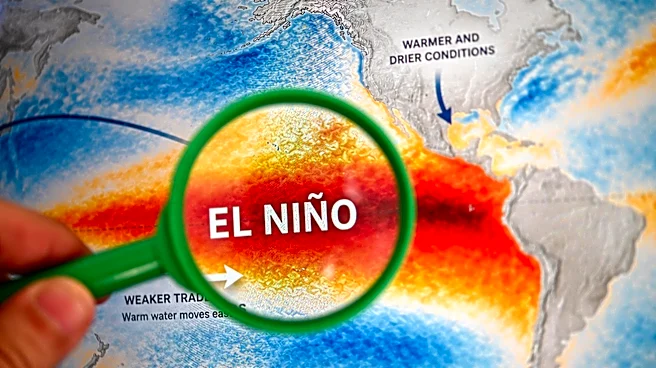
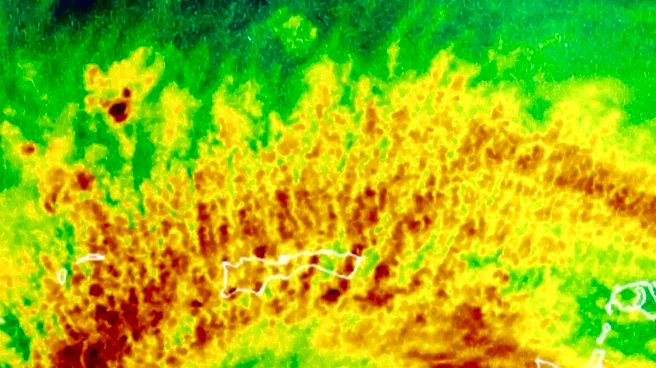
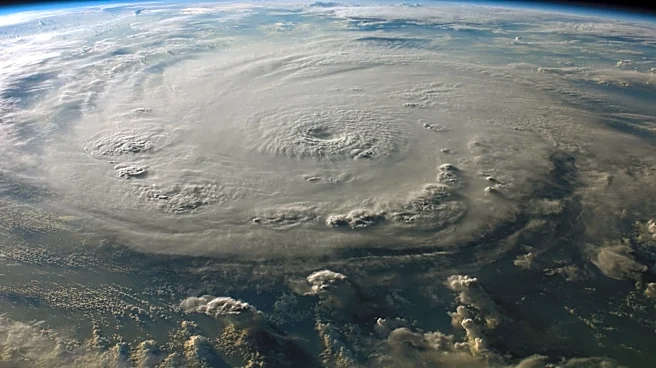
Africa, the Sahel, South and Southeast Asia, Central America, and the Caribbean. The FAO's analysis, based on 41 years of satellite imagery, indicates a greater than 50% probability of agricultural drought in these areas. The National Oceanic and Atmospheric Administration (NOAA) has confirmed the development of El Niño in the tropical Pacific, predicting it will intensify to a moderate or strong level by autumn. The World Meteorological Organization (WMO) has also urged governments and climate-sensitive sectors to prepare for the event, which is likely to continue until at least November.
Why It's Important?
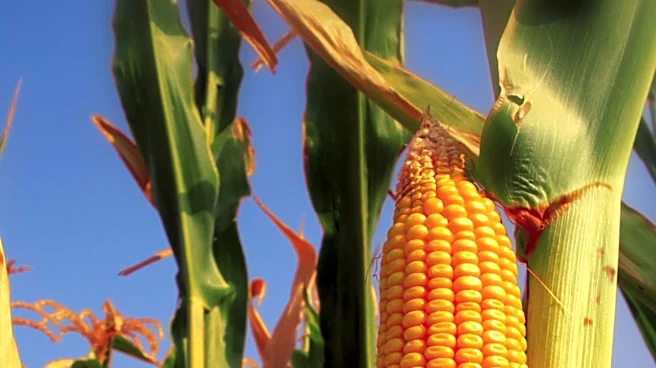
The onset of El Niño poses significant threats to global food security and commodity markets. Regions already facing food insecurity, such as the Sahel and Southern Africa, could experience exacerbated conditions due to drought. This could lead to increased food prices and scarcity, affecting millions of people. In Asia, the potential weakening of the monsoon could impact major food and commodity markets, particularly rice, maize, sugar, and vegetable oil. The European Commission's Joint Research Centre has highlighted concerns over rising durum wheat prices, which could further strain global food supply chains. The event's impact on agriculture could have far-reaching economic and social consequences, particularly for vulnerable populations.
What's Next?
Governments and international organizations are likely to increase monitoring and preparedness efforts to mitigate the impacts of El Niño. This may include implementing drought-resistant agricultural practices, enhancing food distribution networks, and providing financial support to affected regions. The situation will require coordinated global efforts to address potential food shortages and price volatility. Stakeholders in the agricultural and food sectors will need to adapt to changing conditions to ensure food security and stability.