


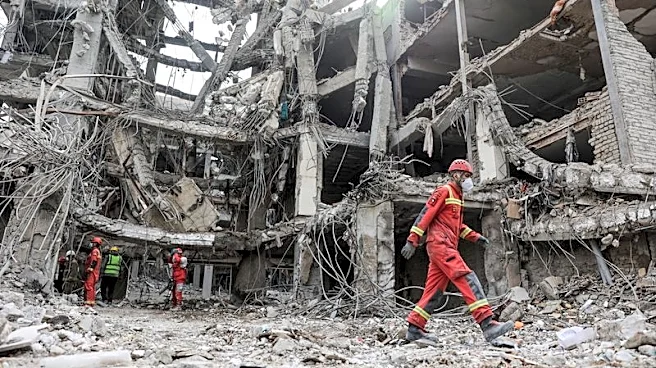
What's Happening?
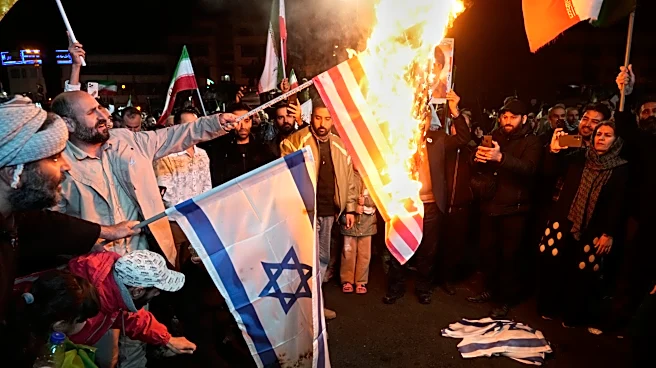
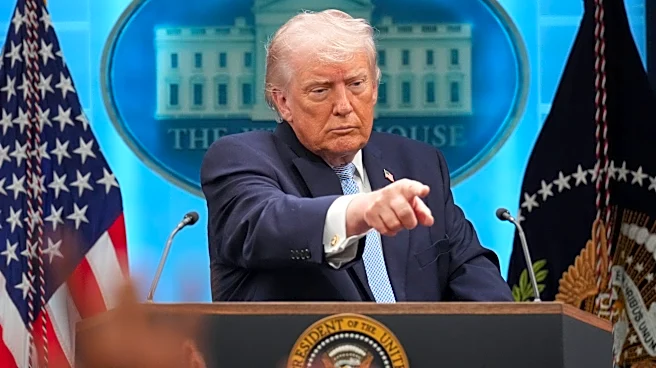
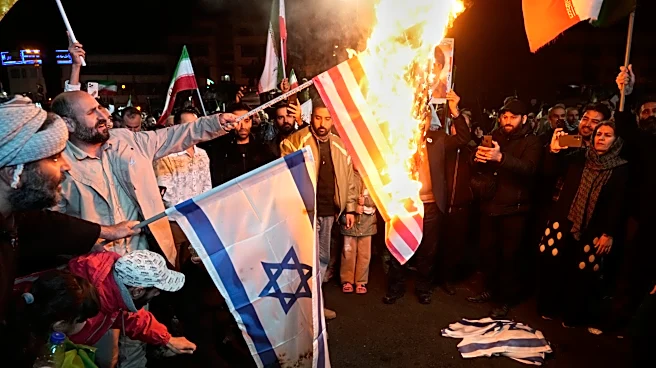
Pakistan has played a pivotal role in mediating a temporary ceasefire between the United States and Iran, following weeks of intense conflict. The ceasefire was announced by President Trump and confirmed by Iranian Foreign Minister Abbas Araghchi, with
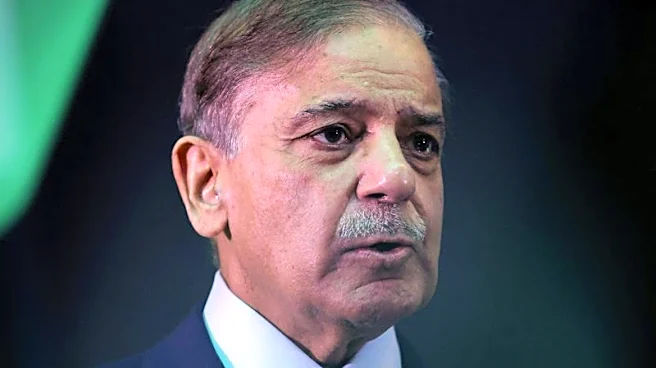
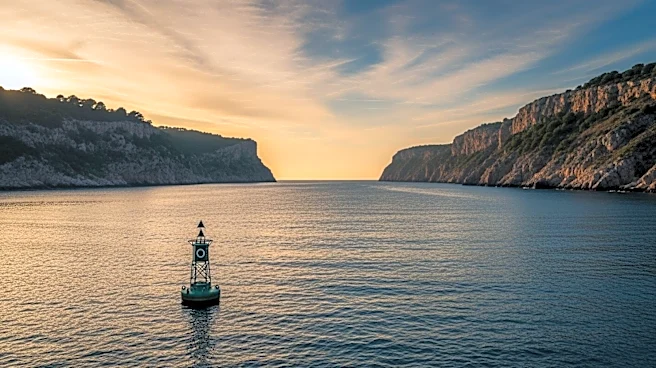
Pakistan's Prime Minister Shehbaz Sharif and Field Marshal Asim Munir credited for their diplomatic efforts. The ceasefire allows for unimpeded transit through the Strait of Hormuz, although key differences remain unresolved. Pakistan's involvement marks a significant diplomatic achievement, positioning the country as a mediator in international conflicts.
Why It's Important?
Pakistan's successful mediation in the U.S.-Iran conflict highlights its growing role in international diplomacy. The ceasefire provides a temporary halt to hostilities, potentially stabilizing global oil markets and reducing regional tensions. Pakistan's involvement may enhance its diplomatic standing and influence in the Middle East, impacting future negotiations and alliances. The situation underscores the importance of diplomatic channels in resolving international conflicts and maintaining global stability, with Pakistan emerging as a key player in facilitating dialogue between adversaries.
What's Next?
Formal talks are expected to begin in Islamabad, with delegations from the U.S. and Iran potentially negotiating a more permanent resolution. The upcoming discussions will address unresolved issues, including Iran's nuclear program and regional security concerns. The success of these talks could lead to a lasting peace agreement, although challenges remain in bridging the differences between the parties. Pakistan's continued involvement will be crucial in facilitating dialogue and ensuring the success of the negotiations.