



What's Happening?
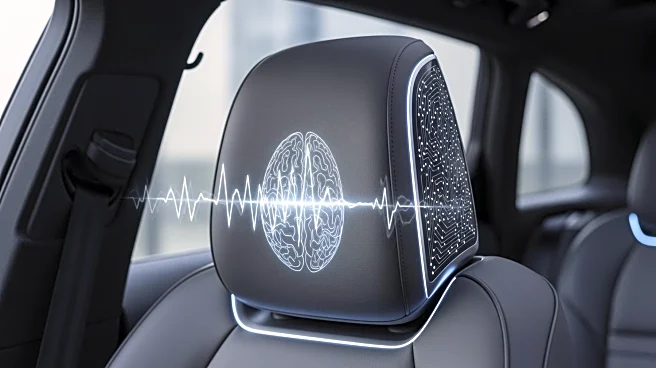
Neumo, a technology company, is developing a contactless sensor to monitor drivers' brainwaves, aiming to enhance fleet safety by detecting driver fatigue and cognitive load. The device, mounted on the driver's headrest, uses electroencephalography (EEG)
to measure brain activity from a distance. This technology could provide a more reliable method of assessing driver alertness compared to traditional video-based systems, which often rely on external symptoms and can produce false alerts.
Why It's Important?
The introduction of brainwave-scanning technology in fleet safety could significantly reduce accidents caused by driver fatigue, a major concern in the transportation industry. By providing real-time data on driver alertness, fleets can improve safety protocols and reduce liability risks. This innovation could lead to widespread adoption in commercial transportation, enhancing overall road safety and potentially lowering insurance costs for fleet operators.
What's Next?
Neumo plans to continue testing and refining its brainwave-scanning technology, with potential partnerships with fleet operators for pilot programs. The company aims to address any technical challenges and regulatory requirements before commercial deployment. As the technology gains traction, it could prompt discussions on privacy and data security, as well as the development of industry standards for its use.
Beyond the Headlines
The use of brainwave monitoring in vehicles raises ethical and privacy concerns, particularly regarding the collection and use of personal data. It also highlights the growing trend of integrating advanced technologies into everyday applications, pushing the boundaries of traditional safety measures and potentially reshaping industry standards.