







What's Happening?
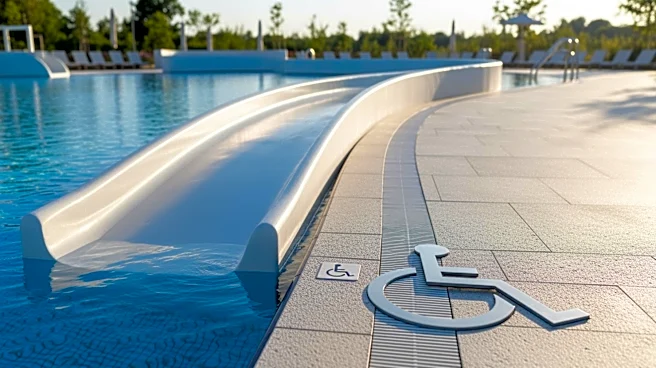
Blue Island has unveiled new accessibility features at the Cal-Sag waterpark, making it more inclusive for individuals with disabilities. The improvements include a ramp, a retaining wall, and braille signs, allowing people with visual impairments and other
disabilities to access the park's amenities, such as waterfalls, picnic areas, and educational opportunities focused on water quality. The park, originally built in the early 1990s to improve water quality and fish populations, has become a popular community space. The enhancements were a collaborative effort involving the Progress Center for Independent Living, the Metropolitan Water Reclamation District of Greater Chicago, and local organizations. These changes aim to make the park a welcoming space for all residents, regardless of their physical abilities.
Why It's Important?
The accessibility improvements at the Cal-Sag waterpark represent a significant step towards inclusivity in public spaces. By making the park accessible to individuals with disabilities, Blue Island is setting a precedent for other communities to follow. This initiative not only enhances the quality of life for residents with disabilities but also promotes mental health by providing access to green spaces. The project underscores the importance of considering the needs of all community members in public planning, fostering a sense of belonging and dignity. It highlights the role of local governments in ensuring that public spaces are inclusive and accessible to everyone, which can lead to broader societal changes in how accessibility is approached.
What's Next?
The successful implementation of accessibility features at the Cal-Sag waterpark may inspire other suburbs to undertake similar projects. As awareness of the importance of inclusive public spaces grows, more communities might prioritize accessibility in their development plans. This could lead to increased collaboration between local governments, advocacy groups, and residents to identify and address accessibility barriers. Additionally, the positive reception of these improvements could encourage further enhancements and expansions of accessible features in other public areas, promoting a more inclusive society overall.
Beyond the Headlines
The enhancements at the Cal-Sag waterpark highlight the broader cultural shift towards inclusivity and accessibility. This development reflects a growing recognition of the rights and needs of individuals with disabilities, challenging traditional notions of public space design. By prioritizing accessibility, communities can foster greater social integration and participation among all residents. This shift also has potential legal implications, as it aligns with the principles of the Americans with Disabilities Act, which mandates equal access to public spaces. As more communities adopt similar measures, the standard for accessibility in public spaces may rise, leading to long-term improvements in the quality of life for individuals with disabilities.