




What's Happening?
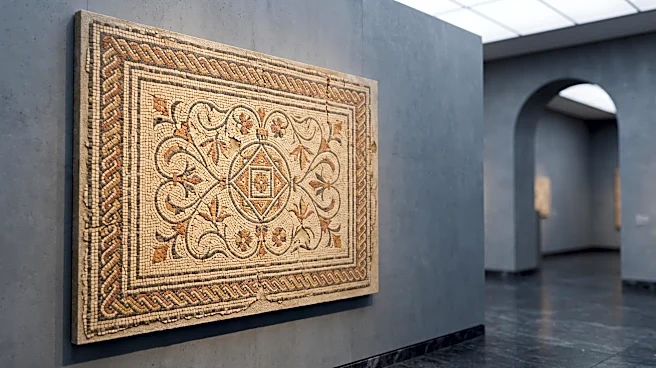
U.S. authorities have repatriated 36 ancient Syrian artifacts, collectively valued at over $5 million, back to Syria. This collection includes a monumental limestone relief from Palmyra, 14 Roman mosaics, and other significant objects. Thirteen of these
antiquities were seized from the Metropolitan Museum of Art in New York as part of ongoing investigations into the provenance of ancient objects held by institutions. The Palmyra relief, a funerary sculpture from the late second century CE depicting a reclining man with a woman and three children, weighs over 1,000 pounds and was determined to have been smuggled through Dubai after being removed from a burial chamber. Its recovery is particularly important given the extensive destruction suffered by Palmyra at the hands of ISIS between 2015 and 2017. The collection also features a third-century BCE mosaic section portraying the mythological wedding of Telete and Eros, composed of hundreds of tiny colored stone pieces known as tesserae. Four other objects in this repatriation came from the collection of American collector Michael Steinhardt, from whom authorities recovered approximately 180 antiquities valued at $70 million in a 2021 agreement.
Why It's Important?
This repatriation underscores the U.S.'s commitment to combating the illicit trafficking of cultural heritage and preserving global history. The return of these artifacts, especially those from Palmyra, is significant because the site is a UNESCO World Heritage site that suffered severe damage during recent conflicts. Recovering these objects helps restore a tangible piece of Syria's heritage that faced extraordinary losses. The involvement of major institutions like the Metropolitan Museum of Art highlights the broader issue of how illicitly trafficked antiquities enter the international art market and the need for rigorous provenance research. The Manhattan District Attorney's Antiquities Trafficking Unit has been instrumental in these efforts, having seized 402 antiquities from the Met alone since 2017, valued at $98.7 million. This action sets a precedent for accountability within the art world and reinforces international norms against the trade of stolen cultural property, impacting museums, collectors, and the antiquities market by demanding greater scrutiny and ethical practices.
What's Next?
The repatriation of these artifacts is part of a larger, ongoing effort by the Manhattan District Attorney's Antiquities Trafficking Unit. This unit has recovered over 6,400 cultural treasures valued at approximately $495 million and returned more than 6,200 of them to 40 countries. Investigations are expected to continue into the origins of ancient objects held by museums, galleries, and private collections, particularly those linked to individuals like Georges Lotfi, a Lebanese antiquities dealer who is the subject of an arrest warrant and an Interpol Red Notice. The ongoing scrutiny will likely lead to further repatriations to Syria and other countries. This sustained pressure will continue to reshape practices within the art market, encouraging stricter due diligence and ethical acquisition policies among collectors and institutions to avoid complicity in the trade of illicit antiquities. The focus will remain on tracing global antiquities trade networks and holding those involved in illicit trafficking accountable.
Beyond the Headlines
The return of these artifacts extends beyond mere legal compliance; it touches upon profound ethical and cultural dimensions. For Syria, a nation ravaged by conflict, the recovery of these ancient pieces represents a reclamation of identity and a connection to a rich past that predates current geopolitical struggles. It highlights the devastating impact of conflict on cultural heritage and the international community's role in its preservation and restoration. The seizures from prominent institutions like the Metropolitan Museum of Art also spark a broader conversation about the historical practices of collecting and the responsibility of museums to ensure their collections are ethically sourced. This ongoing process could lead to a re-evaluation of acquisition policies across the museum world, fostering greater transparency and a commitment to returning cultural property to its rightful owners. It also underscores the importance of international cooperation in combating cultural racketeering, which often funds illicit activities and destabilizes regions.