





What's Happening?
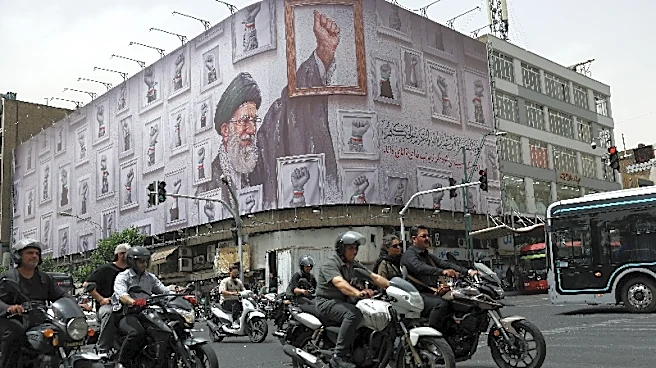
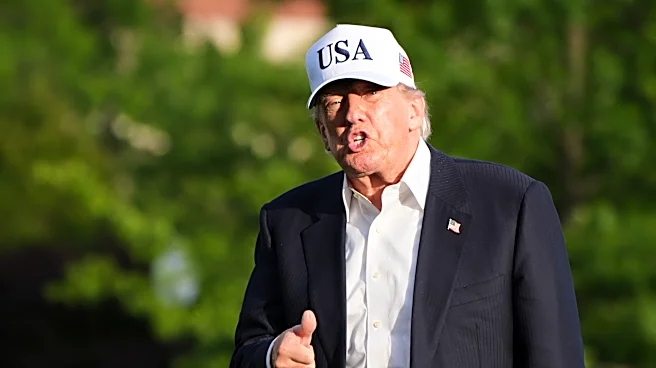
The U.S. Senate has passed a symbolic resolution aimed at curbing President Trump's war powers concerning Iran. This development comes amidst ongoing tensions between the U.S. and Iran, with recent reports of the U.S. seizing an Iran-linked oil tanker
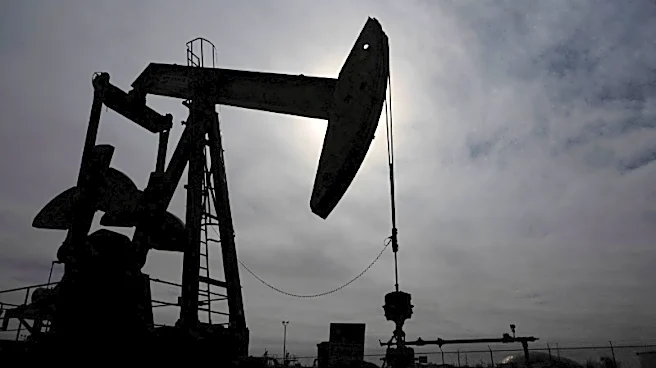
in the Indian Ocean. The tanker, sanctioned by Washington, was reportedly carrying over a million barrels of Iranian crude oil. Meanwhile, U.S. Vice President JD Vance has indicated progress in talks with Tehran, suggesting both sides are keen to avoid renewed military conflict. Additionally, the U.S. has imposed sanctions on individuals linked to the Gaza-bound flotilla movement, accusing them of ties to Hamas. These actions are part of broader U.S. efforts to target Hamas' international financial networks.
Why It's Important?
The Senate's resolution, although symbolic, reflects legislative concerns over executive military actions without congressional approval. This move underscores the ongoing debate over the balance of power between the U.S. Congress and the presidency in matters of war. The seizure of the Iranian oil tanker and the sanctions against Hamas-linked individuals highlight the U.S.'s strategic efforts to exert pressure on Iran and its allies. These actions could impact U.S.-Iran relations and influence regional stability in the Middle East. The resolution and related actions may also affect U.S. foreign policy and diplomatic efforts in the region, potentially altering alliances and economic ties.
What's Next?
The passage of the resolution may prompt further legislative actions to limit presidential war powers, potentially leading to more robust debates in Congress. The ongoing negotiations between the U.S. and Iran could result in a diplomatic agreement, which may ease tensions and lead to a reduction in sanctions. However, the situation remains fluid, and any escalation could have significant geopolitical consequences. Stakeholders, including international allies and regional partners, will likely monitor developments closely, as outcomes could affect global oil markets and security dynamics.