





What's Happening?
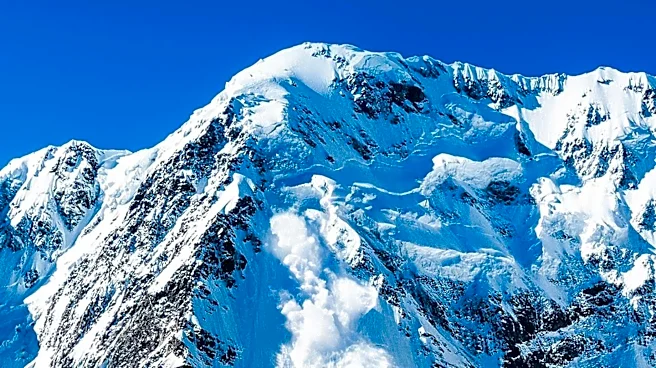
The body of U.S. climber Sarah Mallory Geis, 39, from San Antonio, Texas, was recovered on August 21 from Broad Peak. Geis was among ten climbers who perished in a deadly avalanche on July 30. Her body was the last to be located among the missing victims.
Ayaz Shigri, General Secretary of the Alpine Club of Pakistan, confirmed her identification. Volunteers are tasked with moving her body to Base Camp, from where helicopters will transport it to Skardu. Before this expedition, Geis had summited Lobuche East (6,119m) and Mera Peak (6,476m) in Nepal and had completed ice-climbing training in the United States earlier this year. She had closed her Pilates studio to dedicate herself entirely to mountaineering. In a separate incident, Nepali Nawang Thindu Sherpa's body remains on Broad Peak due to the extreme danger of the terrain, while eight other climbers' remains have already been recovered. Additionally, UK-based Pakistani climber Asma Mushtaq died on August 20 while descending Spantik (7,027m) after a successful summit, due to a severe high-altitude medical emergency.
Why It's Important?
The recovery of Sarah Mallory Geis's body brings a measure of closure to her family and highlights the extreme dangers inherent in high-altitude mountaineering. Her story, including her decision to close her Pilates studio to pursue her passion, underscores the profound dedication and personal sacrifices made by individuals in the climbing community. The incident also draws attention to the significant risks faced by climbers on challenging peaks like Broad Peak, where avalanches and other environmental hazards can lead to tragic outcomes. The ongoing efforts to recover bodies, even in perilous conditions, reflect the deep respect within the mountaineering community for those lost. Furthermore, the separate death of Asma Mushtaq on Spantik reinforces the unpredictable and life-threatening nature of these expeditions, prompting discussions about safety protocols, risk assessment, and the psychological and physical demands placed on climbers.
What's Next?
Following the recovery, Sarah Mallory Geis's body will be transported to Skardu, allowing for formal procedures and repatriation. The mountaineering community will likely continue to reflect on the Broad Peak avalanche and the lessons learned regarding safety and expedition planning. Discussions may intensify around the inherent risks of 8,000-meter peaks and the measures that can be taken to mitigate them, though the unpredictable nature of such environments remains a constant challenge. For the family and friends of the deceased, the focus will shift towards memorializing their loved ones and processing their loss. The incident may also influence future climbing regulations or guidelines for expeditions in the Karakoram range, potentially leading to enhanced safety requirements or increased awareness campaigns for climbers undertaking such perilous journeys.
Beyond the Headlines
The tragic loss of Sarah Mallory Geis and other climbers on Broad Peak and Spantik extends beyond individual stories of adventure and loss, touching upon broader themes of human ambition, the pursuit of extreme challenges, and our relationship with nature. These events serve as stark reminders of the raw power of the natural world and the limits of human endurance, even for highly experienced individuals. The decision by Geis to dedicate her life to mountaineering, leaving behind a established career, speaks to a profound human desire for purpose and connection with the wilderness, a sentiment shared by many who seek out such demanding pursuits. The dangers faced by climbers also highlight the critical role of support teams, local communities, and rescue operations in these remote and unforgiving environments. These incidents often spark introspection within the climbing community about the balance between ambition and safety, and the ethical considerations involved in attempting to conquer the world's highest peaks.